 Skip to content

Choosing a custom sock merch platform isn’t really about choosing a website. It’s about choosing a supply model that affects product consistency, customization options, delivery reliability, and how easily you can reorder the same socks six months from now.
For brands, sports teams, corporate programs, and retailers, the right choice often depends on whether socks are a short-term promotion or a long-term product category.
A simple rule works surprisingly well.
If you’re testing demand, a print-on-demand platform can make sense. If socks are becoming a repeatable part of your business, working directly with a custom sock manufacturer usually provides more control and fewer surprises.
Start With the Problem You’re Actually Solving
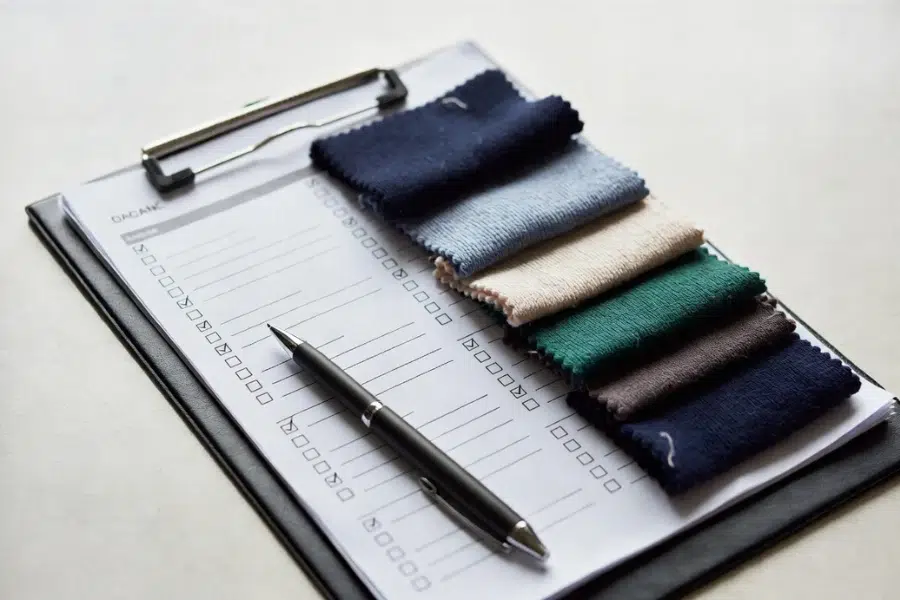
Many buyers compare platforms before defining what they need the socks to accomplish.
Before evaluating suppliers, answer a few practical questions.
- Are the socks for retail sales, employee gifting, team uniforms, membership programs, or event merchandise?
- Will you place one order or reorder throughout the year?
- Do you need simple printed artwork or knitted logos and performance features?
- Will products ship to one location or multiple destinations?
- Do material certifications or compliance requirements matter?
The answers often eliminate half the available options immediately.
The Three Main Ways Companies Sell Custom Socks
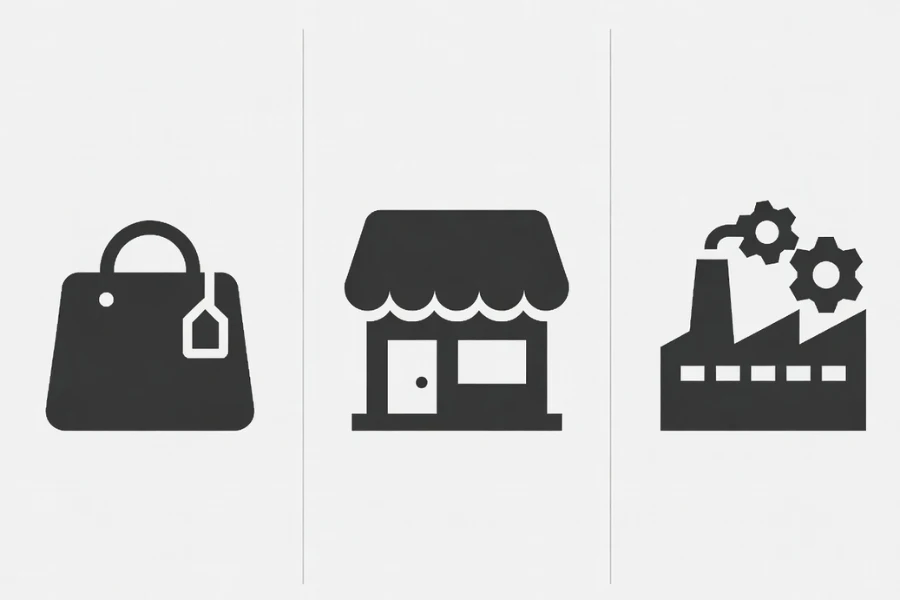
Most custom sock programs fall into one of three supply models. Each offers different advantages and limitations.
Marketplace Print-on-Demand Platforms
Marketplace POD providers handle production and fulfillment while giving brands access to existing marketplaces.
This approach works well when speed matters more than customization.
Advantages include:
- Fast launch
- Minimal operational involvement
- Marketplace visibility
The trade-off is reduced control. Sock construction, materials, packaging options, and branding opportunities are often limited. Reorders may also feel less predictable because production specifications are usually controlled by the platform rather than the buyer.
Your Own Store With POD Fulfillment
In this model, brands operate their own storefront while a fulfillment partner produces and ships orders.
This option gives businesses more ownership over customer relationships and branding while still avoiding inventory management.
It works particularly well when companies are testing multiple designs or expanding into additional merchandise categories.
However, quality consistency can become harder to manage during seasonal demand spikes. Different fulfillment partners may also rely on different sock blanks, which can affect sizing, thickness, and overall feel.
Working Directly With a Sock Manufacturer
A manufacturer-based model shifts the focus from selling socks to building a repeatable product program.
Instead of choosing from pre-existing blanks, brands define specifications before production begins.
This approach is often preferred when:
- Socks are a core branded product
- Reorders are expected
- Packaging requirements matter
- Consistent sizing is important
- Retail distribution is involved
The process requires more planning upfront, but it typically provides greater control over the final product.
Why Reorder Consistency Matters More Than Initial Price
Many buyers focus heavily on the first order.
Experienced procurement teams usually worry more about the third order.
The biggest sourcing problems rarely appear during sampling. They appear months later when a reorder arrives with a different fit, different yarn feel, or a logo that doesn’t quite match previous production.
Sock manufacturing relies on detailed production specifications covering machine settings, yarn selections, construction methods, dimensions, finishing requirements, and packaging instructions. Production documentation often includes machine type, needle count, materials, sock dimensions, finishing methods, and tolerance requirements.
When those specifications are consistently maintained, reorders become significantly more predictable.
Not All Customization Methods Produce the Same Results
Many merch platforms advertise custom socks, but the actual customization methods vary considerably.
Jacquard Knitting
Jacquard logos and patterns are knitted directly into the sock structure.
This approach tends to work well for:
- Team socks
- Retail products
- Corporate merchandise
- Long-term brand programs
Because the design becomes part of the knitted structure, it generally maintains its appearance through repeated washing and wear.
Embroidery
Embroidery creates a raised decorative effect and works well for smaller logo placements.
The visual appearance can be attractive, but embroidery may introduce additional thickness and stiffness compared with knitted logos.
Dye Sublimation and Full-Color Printing
Printing methods allow photographic detail and complex artwork.
They are often useful for short-term promotions and design testing, although construction flexibility is typically more limited compared with knitted products.
Why Manufacturing Capabilities Matter
Modern computerized sock machines can produce significantly different levels of detail depending on machine specifications and needle counts. Higher-gauge machines generally allow finer pattern definition and improved graphic clarity.
That means two suppliers offering “custom socks” may produce very different results from the same artwork.
Materials Influence More Than Comfort
Material selection affects performance, durability, appearance, and production consistency.
The right yarn depends on the intended application.
Cotton Blends
Often used for retail, promotional, and everyday wear products.
Cotton provides familiar comfort while synthetic fibers improve durability and stretch recovery.
Polyester Blends
Common for athletic and team applications where moisture management and color retention matter.
Merino Wool
Frequently chosen for outdoor, hiking, and cold-weather programs.
Bamboo-Based Blends
Often selected for brands emphasizing softness and sustainability messaging.
A supplier should be able to explain why a material recommendation fits the intended use rather than simply offering the cheapest option.
Five Factors Worth Comparing Before Choosing a Platform
Most sourcing decisions become clearer when evaluated through five practical criteria.
| Factor | Why It Matters |
|---|---|
| Reorder consistency | Determines whether future batches match previous orders |
| Customization depth | Impacts logo execution, materials, and construction options |
| Lead time control | Affects planning and inventory management |
| Total landed cost | Includes production, freight, duties, packaging, and returns |
| Operational workload | Determines who manages QC, shipping, and issue resolution |
Side-by-Side Comparison
| Option | Best For | Customization Depth | Reorder Consistency | Lead Time Control | B2B Suitability |
| Marketplace POD | Fast validation | Low | Low to Medium | Low | Limited |
| POD Fulfillment Partner | Brand testing | Medium | Medium | Medium | Moderate |
| Dedicated Manufacturer | Long-term programs | High | High | High | Strong |
Which Option Fits Your Situation
Choose Marketplace POD for Fast Validation
This model works well when speed is the primary objective.
A conference organizer testing merchandise demand or a startup experimenting with branding may not need deep customization immediately.
Choose POD Fulfillment for Brand Control
This approach suits companies that want customer ownership and storefront control while still avoiding inventory commitments.
It often works well during the transition from concept testing to product development.
Choose a Manufacturer for Long-Term Programs
Manufacturing partnerships make the most sense when socks become a recurring product rather than a one-time campaign.
Examples include:
- Corporate gifting programs
- Fitness memberships
- Sports clubs
- School programs
- Retail collections
- Private label brands
In these situations, consistent sizing, materials, and delivery schedules usually matter more than rapid launch speed.
Questions That Prevent Expensive Supplier Mistakes
Many sourcing problems can be avoided with a few practical questions.
Questions About Production
- Which machine types are used for this product?
- Can production specifications be locked for future reorders?
- How are sizing tolerances controlled?
Questions About Materials
- What yarn compositions are available?
- Which materials fit the intended use case?
- Are certification documents available if needed?
Questions About Customization
- Which logo methods are supported?
- Are there color limitations for jacquard designs?
- Can performance features such as cushioning or mesh zones be added?
Questions About Delivery
- What are the sampling and production timelines?
- How are peak-season orders managed?
- Which shipping options are available?
A Simple Five-Step Buying Process
The most successful sock programs usually follow a straightforward process.
- Define the purpose of the program.
- Establish quality and performance requirements.
- Choose the appropriate supply model.
- Test samples under real use conditions.
- Finalize logistics and reorder planning.
Keeping these steps simple often reduces both delays and unexpected costs.
How SocksMaven Supports Growing Sock Programs
Brands often outgrow marketplace solutions once socks become a recurring product category.
SocksMaven supports businesses that need a more structured manufacturing approach without adding unnecessary complexity.
Support may include:
- Custom sock development
- Jacquard and specialty knitting options
- Material selection guidance
- Packaging customization
- Sample development
- Bulk production planning
- International shipping support
The goal isn’t simply producing socks. It’s helping brands create products that remain consistent across future orders.
Final Recommendation
If you’re launching a new idea and need quick market feedback, a print-on-demand platform is often the simplest starting point.
If socks are becoming part of an ongoing retail, branding, team, or membership program, moving to a manufacturer-based model usually provides better control over quality, customization, and long-term replenishment.
The right platform isn’t necessarily the one with the fastest setup. It’s the one that can still deliver the same product reliably when you place the next order.

