Custom Cotton Socks for Brands, Retailers, and Bulk Orders
Cotton socks remain one of the most widely requested products in the sock industry. While performance fibers continue to grow in specialized categories, cotton remains the preferred choice for everyday comfort, retail collections, school programs, corporate merchandise, and branded apparel.
At SocksMaven, we help businesses create custom cotton socks that balance comfort, durability, and repeat-order consistency. From simple logo socks to fully customized retail collections, cotton provides a versatile foundation for a wide range of applications.
Why Cotton Remains a Popular Sock Material
Cotton has been used in socks for generations because it offers a balance that many materials struggle to match. It feels comfortable against the skin, absorbs moisture effectively, and works well across different seasons and wearing situations.
For many consumers, comfort is the first thing they notice. Cotton fibers naturally create a soft hand feel that makes socks easy to wear throughout the day, whether in an office, classroom, retail environment, or casual setting.
Cotton socks are commonly chosen for:
- Everyday casual wear
- School uniforms
- Corporate merchandise
- Retail sock collections
- Promotional products
- Lifestyle and fashion brands
While specialized athletic products may require additional performance fibers, cotton remains one of the safest and most versatile choices for general use.
Not All Cotton Socks Use the Same Type of Cotton
Many buyers assume cotton is a single material category. In reality, cotton quality can vary significantly depending on the fiber selection and yarn preparation process.
Combed cotton is commonly used for higher-quality socks because shorter fibers and impurities are removed before spinning. This creates a smoother yarn and often results in a softer finished product.
Mercerized cotton undergoes an additional treatment process that improves luster and creates a cleaner appearance. It is frequently used in lightweight dress socks and fashion-oriented collections.
Long-staple cotton varieties, including Pima cotton, use longer fibers that can improve smoothness and durability. These materials are less common in mass-market socks but are sometimes selected for premium retail programs.
For most custom sock projects, the right yarn choice depends on the target customer, intended use, and budget rather than simply choosing the most expensive option available.
Sock Construction Matters as Much as Fiber Choice
A comfortable cotton sock is not created by fiber content alone.
The structure of the sock plays a major role in how it fits, wears, and performs over time. Even socks made from similar cotton blends can feel very different depending on their construction.
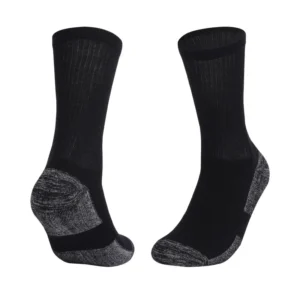
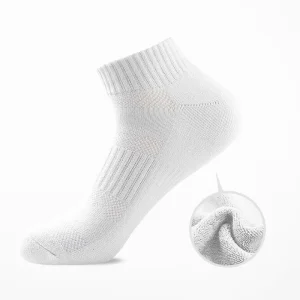
A typical sock includes several functional sections:
- Cuff
- Leg
- Heel
- Foot
- Reinforced sole areas
- Toe section
Each section contributes to overall comfort and durability.
The heel and toe often experience the highest levels of friction during daily wear. For that reason, many cotton socks include reinforced construction in these areas to improve longevity.
In some applications, additional strengthening yarns may be incorporated into high-wear zones without significantly affecting comfort.
Why Most Cotton Socks Are Not 100% Cotton
One of the most common misconceptions is that pure cotton automatically creates a better sock.
In reality, most modern cotton socks contain additional fibers to improve performance.
A typical cotton sock may include:
- Cotton for comfort and moisture absorption
- Nylon for durability
- Spandex for stretch and shape retention
Without elastic fibers, socks can lose recovery and begin sliding down during wear. Without reinforcing fibers, high-friction areas may wear out more quickly.
For this reason, cotton blends often deliver a better balance of comfort, fit, and durability than pure cotton alone.
When Cotton Socks Are the Right Choice
Cotton works particularly well when comfort and versatility are the primary goals.
Many brands choose cotton socks because they appeal to a broad customer base and fit naturally into everyday wardrobes.
Cotton socks are often a strong option for:
- Lifestyle brands
- Corporate gifting programs
- School apparel
- Event merchandise
- Fashion collections
- Retail basics
However, cotton is not always the ideal solution.
For high-sweat athletic environments, rapid drying requirements, or compression applications, additional technical fibers may provide better performance.
The best material choice depends on how the socks will actually be used rather than which fiber sounds most impressive on paper.
Custom Cotton Socks for Private Label and Promotional Programs
Cotton remains one of the most flexible materials for custom sock production.
It works well with a variety of branding methods and can support both simple and complex designs.
Common customization options include:
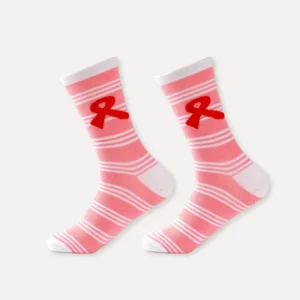
- Knitted logos
- Jacquard patterns
- Embroidered details
- Custom color matching
- Retail packaging
- Private label branding
- Custom header cards
- Wrap sleeves
Because cotton adapts well to different knitting techniques, it remains one of the easiest materials for creating scalable custom sock programs.
Many businesses begin with a small test run before expanding into larger retail or promotional orders once the design has been validated.
Built for Repeat Orders
For businesses, the first order is only part of the process.
The real challenge is ensuring that future orders remain consistent in appearance, sizing, and construction.
At SocksMaven, we focus on producing cotton socks that are easy to reorder and maintain across future production runs. Consistent materials, controlled manufacturing processes, and clear specifications help reduce surprises when programs scale over time.
Whether you’re developing merchandise for a growing brand, sourcing socks for a retail collection, or creating custom products for events and organizations, cotton continues to be one of the most practical starting points.
Frequently Asked Questions
Are cotton socks good for everyday wear?
Cotton socks remain one of the most common choices for daily use because they offer a comfortable balance of softness, breathability, and moisture absorption. They work well for casual wear, office settings, school uniforms, and many general-purpose applications.
What is the difference between combed cotton and regular cotton socks?
Combed cotton goes through an additional processing step that removes shorter fibers and impurities. This often creates a smoother yarn, a softer surface, and a cleaner appearance compared with standard cotton yarns.
Why do cotton socks usually contain nylon or spandex?
Additional fibers help improve durability, elasticity, and shape retention. Without them, socks may stretch out more easily, lose recovery, or wear through faster in high-friction areas such as the heel and toe.
Are cotton socks suitable for sports?
They can work for light exercise and recreational activities. For intense training, running, or high-perspiration environments, socks that incorporate performance fibers may offer better moisture management and faster drying.
Can cotton socks be customized with logos?
Yes. Cotton socks support a wide range of customization methods, including jacquard logos, knitted graphics, embroidery, color matching, and private label packaging for retail and promotional programs.
 Skip to content