Why Bamboo Socks Have Become a Popular Alternative
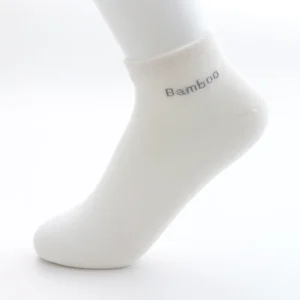
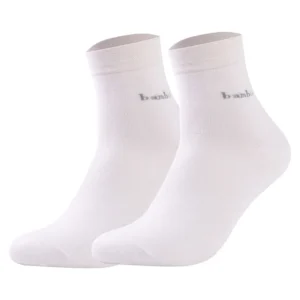
Bamboo socks have gained attention because they offer a different wearing experience from traditional cotton socks. Many brands choose bamboo-based yarns when they want to emphasize comfort, sustainability, and modern lifestyle positioning within their product collections.
While cotton remains the dominant everyday sock material, bamboo blends have become increasingly common in retail programs that focus on wellness, comfort, and environmentally conscious purchasing decisions.
Bamboo Socks Are Usually Made From Bamboo-Based Blends
One common misconception is that bamboo socks are made entirely from bamboo fibers.
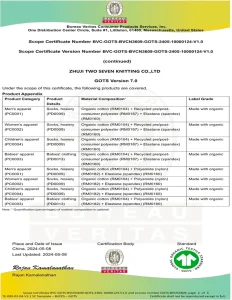
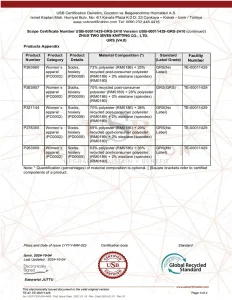
In reality, most bamboo socks use regenerated bamboo viscose or bamboo rayon blended with additional fibers such as nylon and spandex. These supporting fibers help improve durability, elasticity, and shape retention.
A well-balanced bamboo blend often delivers a softer hand feel than many standard cotton socks while maintaining the stretch needed for daily wear.
How Bamboo Socks Feel Different From Cotton Socks
The difference is often most noticeable after several hours of wear.
Many people describe bamboo socks as smoother and cooler against the skin. The yarn surface tends to feel less dry than conventional cotton, which is one reason bamboo socks are frequently used in lifestyle collections focused on comfort.
That does not necessarily make bamboo better than cotton.
Cotton often provides greater familiarity and versatility, while bamboo appeals to customers who prioritize softness and sustainability messaging.
The choice usually depends on the intended customer rather than the material alone.
Moisture Management and Everyday Comfort
Bamboo socks are often selected because they manage moisture effectively during normal daily activities.
For office wear, travel, retail environments, and long periods of walking, many users appreciate how bamboo blends help reduce the damp feeling that can develop throughout the day.
This makes bamboo a practical option for:
- Everyday casual wear
- Office and business environments
- Travel collections
- Wellness and lifestyle brands
- Hospitality programs
For highly demanding athletic activities, however, specialized performance fibers may still offer advantages in moisture transport and drying speed.
Why Sustainability-Focused Brands Choose Bamboo Socks
Many emerging brands use bamboo socks to support sustainability initiatives without completely redesigning their product range.
Bamboo grows quickly, requires relatively limited agricultural inputs, and has become a recognizable material among environmentally conscious consumers.
As a result, bamboo socks are commonly used in:
- Sustainable retail collections
- Eco-focused promotional campaigns
- Corporate ESG programs
- Wellness subscription boxes
- Private label lifestyle brands
For many buyers, the sustainability story is just as important as the comfort benefits.
Sock Construction Still Matters More Than Material Alone
Material selection is important, but sock construction often has a greater impact on long-term wear performance.
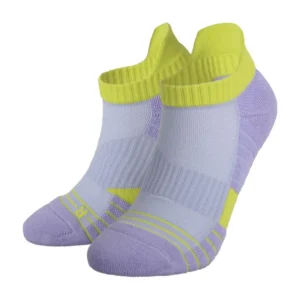
The cuff, heel, toe, and foot sections all influence fit, durability, and comfort.
A bamboo sock with poor construction may wear out quickly, while a well-engineered bamboo blend with reinforced high-friction zones can deliver significantly better results over time.
This is one reason experienced buyers evaluate both fiber composition and construction details rather than focusing on material claims alone.
Custom Bamboo Socks for Private Label and Promotional Programs
Bamboo yarn blends work well across a variety of customization methods.
Brands commonly use bamboo socks for projects that combine comfort-focused messaging with visual branding requirements.
Customization options may include:
- Jacquard logos
- Knitted patterns
- Custom color combinations
- Private label packaging
- Retail-ready hang tags
- Custom wrap sleeves
Because bamboo socks often attract customers who pay attention to product details, packaging and presentation can play a larger role than they do in many basic sock categories.
When Bamboo Socks Are the Right Choice
Bamboo socks are often a strong option when comfort, softness, and sustainability are central to the project.
They work particularly well for lifestyle brands, wellness businesses, hospitality programs, subscription boxes, and eco-conscious retail collections.
For highly technical athletic applications, buyers may choose performance-focused synthetic blends instead.
The best material is not always the one with the strongest marketing story. It is the one that aligns most closely with how the socks will actually be worn.
Frequently Asked Questions
Are bamboo socks better than cotton socks?
Neither material is universally better. Bamboo blends often feel softer and smoother, while cotton remains one of the most versatile materials for everyday wear. The better choice depends on customer expectations, intended use, and brand positioning.
Are bamboo socks made from 100% bamboo?
Most bamboo socks are made from bamboo-based regenerated fibers blended with nylon and spandex. These additional fibers help improve durability, elasticity, and shape retention.
Why do sustainable brands often choose bamboo socks?
Bamboo has become a recognizable material among environmentally conscious consumers. Many brands use bamboo socks to support sustainability messaging while still offering practical everyday comfort.
Do bamboo socks help with odor control?
Many wearers report that bamboo blends remain comfortable during long wear periods and manage moisture effectively. Actual odor performance depends on fiber composition, construction, activity level, and care habits.
Can bamboo socks be customized with logos?
Yes. Bamboo socks can support jacquard logos, knitted graphics, custom colors, private label packaging, and other branding elements commonly used in retail and promotional programs.
 Skip to content