 Skip to content







Custom Grip Socks
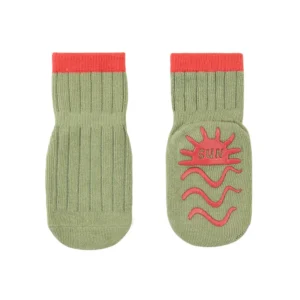
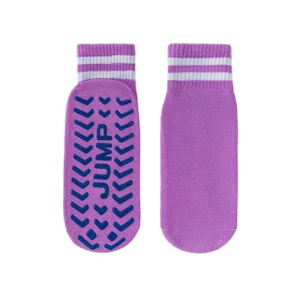
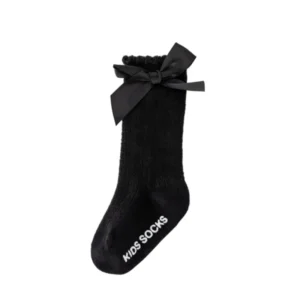
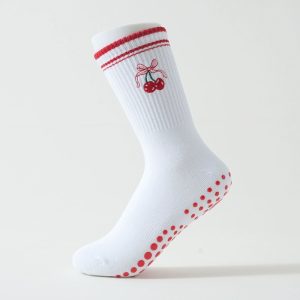
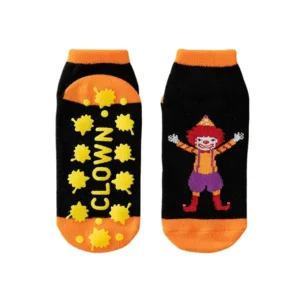
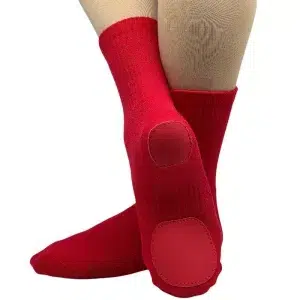
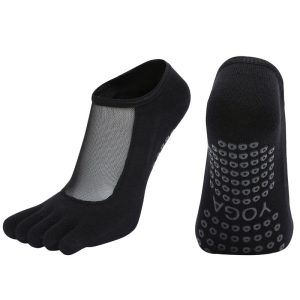
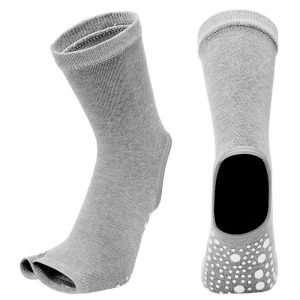
Grip socks are designed for environments where stability matters. Unlike regular socks, they combine a knitted sock structure with strategically placed silicone grips to reduce slipping on smooth floors, studio surfaces, and rehabilitation environments.
At SocksMaven, custom grip socks are developed for studios, wellness brands, healthcare programs, and retailers that need reliable performance, consistent sizing, and repeatable production.
What Makes Grip Socks Different From Regular Socks
The biggest difference is traction.
Regular socks are designed primarily for comfort and everyday wear. Grip socks add a non-slip outsole pattern that helps improve footing during movement, balance exercises, and barefoot-style training.
This added traction can help reduce unwanted sliding during activities such as Pilates, yoga, barre, stretching sessions, and rehabilitation exercises.
For many businesses, grip socks also serve as a branded product that combines functionality with brand visibility.
How Non-Slip Soles Improve Stability
The silicone grip pattern is the most recognizable feature of a grip sock, but effective performance depends on more than simply adding dots to the sole.
A well-designed grip layout distributes traction across the areas of the foot that experience the most pressure during movement, particularly the forefoot and heel. Consistent placement helps create reliable contact with the floor without making the sock feel stiff or restrictive.
For studio environments where clients repeatedly perform controlled movements, consistent grip performance often matters more than aggressive traction.
Grip Sock Construction and Cushioning Design
The sock structure itself plays an important role in comfort and durability.
Many grip socks use a cushioned sole construction similar to the half-terry structures commonly found in performance socks. In this design, additional looped yarns are concentrated in the sole area, creating a softer contact surface underfoot while keeping the upper portion lighter and more breathable. This type of construction helps improve comfort during longer sessions while also increasing resistance to wear.
A typical grip sock may combine several knitting structures:
- Ribbed cuffs to help keep the sock in position
- Plain knit uppers for flexibility and ventilation
- Cushioned sole zones for comfort
- Reinforced heel and toe areas for durability
The result is a sock that remains comfortable while supporting repeated movement and frequent washing.
Material Options for Custom Grip Socks
Material selection affects how the sock feels, stretches, and performs over time.
Cotton remains one of the most commonly used fibers because it provides softness, moisture absorption, and day-to-day comfort. Combed cotton is often preferred when a smoother surface and more uniform appearance are desired.
Nylon is frequently added to improve abrasion resistance. Compared with many other fibers, nylon offers excellent durability and helps socks maintain their shape through repeated use and laundering.
Spandex contributes stretch and recovery. Without elastic fibers, grip socks would struggle to stay securely positioned during movement.
Depending on the intended application, custom grip socks may also incorporate bamboo, modal, recycled polyester, or other specialty fibers.
Common Applications for Grip Socks
Pilates Studios
Pilates studios often use grip socks to improve stability on reformers and studio floors. Consistent grip placement helps participants focus on movement rather than foot positioning.
Yoga Studios
While some practitioners prefer barefoot training, many studios choose grip socks to provide additional hygiene and traction without sacrificing flexibility.
Barre Programs
Barre classes involve repeated balance movements and controlled footwork. Grip socks help reduce sliding while maintaining a clean and professional appearance.
Rehabilitation and Wellness Programs
Rehabilitation centers frequently use grip socks to provide additional confidence during mobility exercises and recovery programs.
Healthcare Facilities
Hospitals and assisted living environments often use non-slip socks as part of fall-prevention strategies, particularly for patients spending time on smooth flooring surfaces.
Custom Branding Options
Grip socks can serve as both functional products and brand assets.
Popular customization options include:
- Jacquard logos knitted into the sock structure
- Embroidered logos for smaller branding elements
- Printed designs for complex artwork
- Custom silicone grip patterns
- Custom color combinations
- Retail-ready packaging solutions
Knitted logos are often preferred for repeat orders because they become part of the sock itself rather than being added after production.
Things to Consider Before Ordering Grip Socks
Not all grip socks are built for the same purpose.
Before placing an order, it helps to consider:
- Intended application
- Sock height preference
- Open-toe or full-toe construction
- Cushioning requirements
- Branding requirements
- Packaging needs
- Expected reorder frequency
Making these decisions early often reduces revisions during sampling and simplifies future repeat orders.
Why Businesses Choose SocksMaven
Many buyers are not simply looking for a grip sock supplier. They are looking for a product that can be reordered consistently months later.
SocksMaven supports custom grip sock programs with flexible production options, multiple branding methods, and manufacturing processes designed to maintain consistency across repeat orders.
Whether the goal is launching a studio merchandise program, developing a retail collection, or supplying healthcare facilities, the focus remains on producing grip socks that perform reliably in real-world use.
Frequently Asked Questions
Are grip socks only used for Pilates?
Not at all. While Pilates remains one of the most common applications, grip socks are also widely used for yoga, barre, rehabilitation programs, dance training, hospital settings, and general indoor fitness activities where additional traction may be beneficial.
What materials are commonly used in grip socks?
Most grip socks use a combination of cotton, nylon, and spandex. Cotton helps with comfort and moisture management, nylon improves durability, and spandex provides stretch and recovery. Specialty fibers may also be added depending on performance requirements.
Do grip patterns wear out over time?
All grip applications experience some wear after extended use. However, grip durability depends heavily on silicone quality, application methods, washing conditions, and usage frequency. Properly manufactured grip socks are designed to maintain traction through repeated wear and laundering.
Can grip socks include custom logos?
Yes. Logos can be added through jacquard knitting, embroidery, printing, or custom grip pattern designs. The most suitable option depends on the complexity of the artwork, production quantity, and desired appearance.
Are grip socks suitable for retail brands?
Yes. Many retail brands, wellness companies, and fitness studios use custom grip socks as standalone products, membership merchandise, or branded accessories. Packaging and branding options can be adapted to different sales channels.