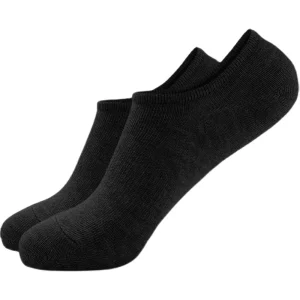
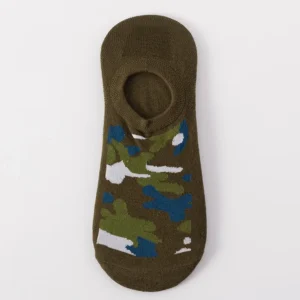
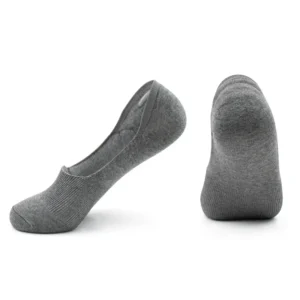
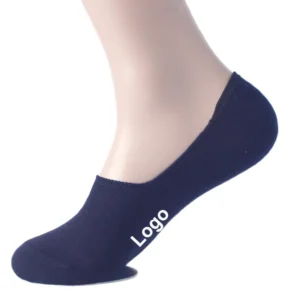
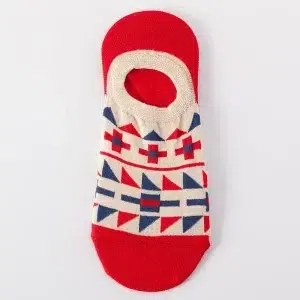
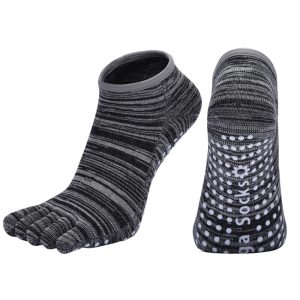
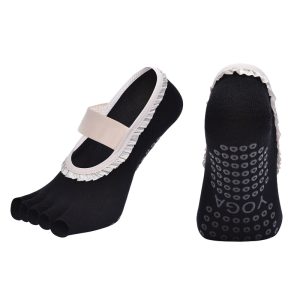
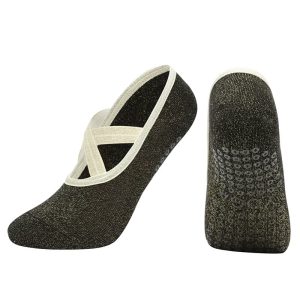
Custom No Show Socks
No show socks look simple, but they are one of the most technically sensitive sock styles to manufacture. Because most of the sock sits below the shoe opening, even small changes in heel shape, opening design, or yarn recovery can affect comfort and stability.
SocksMaven develops custom no show socks for retail brands, footwear programs, promotional collections, and private label projects that require a clean appearance without sacrificing fit.
What Makes No Show Socks Different
Unlike crew socks or ankle socks, no show socks must remain invisible while staying securely attached to the foot.
The challenge is balancing three requirements at the same time:
- Minimal visibility
- Reliable heel retention
- Long-term comfort
A sock that disappears visually but slips into the shoe after an hour of wear does not solve the problem.
Why Some No Show Socks Slip Off
Most heel slippage is not caused by weak elastic alone.
The shape of the heel pocket, opening curve, and stretch distribution all influence how well a no show sock stays in place.
Heel Construction Matters
The heel area acts as an anchor point.
A properly shaped heel pocket helps the sock follow the natural contour of the foot instead of collapsing inside the shoe.
Silicone Grip Placement
Many custom no show socks incorporate silicone grip elements around the heel opening.
The goal is not excessive grip. Proper placement creates stability without causing irritation during long wear.
Stretch Recovery
Low-cut socks experience constant movement inside the shoe.
Yarn selection and knitting structure affect how well the sock returns to its original shape after repeated use.
Common Uses for Custom No Show Socks
No show socks appear across multiple product categories because they support a clean, low-profile look.
Footwear Brands
Many shoe brands include no show socks as part of seasonal collections or promotional programs.
Retail Collections
Fashion and lifestyle brands often choose invisible socks for spring and summer product lines.
Corporate Merchandise
Lightweight low-cut socks are frequently used in branded gift programs and event merchandise.
Hospitality and Uniform Programs
Some businesses use no show socks where a clean appearance and comfortable fit are equally important.
Material Options
Material selection affects breathability, durability, and how well the sock stays in position.
Cotton Blends
Cotton blends remain one of the most common options for everyday wear because they balance softness, breathability, and cost.
Performance Blends
Polyester, nylon, and spandex blends help improve shape retention and durability, particularly in low-profile constructions.
Wool Blends
Merino blends offer moisture management and temperature regulation while maintaining a lightweight feel.
Sustainable Fiber Options
Bamboo, recycled polyester, and other specialty fibers are increasingly used in private label collections focused on sustainability.
Knitting Structures That Improve Performance
Construction often determines whether a no show sock feels secure or frustrating.
Rib Structures
Strategic rib knitting can improve stretch recovery around the opening.
Reinforced Heel and Toe Areas
Additional reinforcement helps reduce wear in high-friction zones.
Mesh Ventilation Zones
Mesh structures improve airflow and can make low-cut socks feel cooler during warm weather.
Lightweight Sole Construction
Some projects prioritize minimal bulk to improve compatibility with slim-fitting shoes.
Designing No Show Socks for Different Footwear
No show socks are not universal.
A design that works inside athletic sneakers may not perform the same way inside loafers or boat shoes.
Sneakers
Usually require deeper heel coverage and additional grip support.
Loafers
Often prioritize invisibility while maintaining enough coverage to prevent rubbing.
Boat Shoes
Typically benefit from wider opening shapes and lightweight construction.
Casual Slip-Ons
Require a balance between hidden appearance and secure retention.
Logo and Branding Options
Although no show socks have a smaller visible area, several branding methods remain effective.
Common customization options include:
- Jacquard logos
- Knitted text
- Interior branding
- Sole logos
- Custom color combinations
The most suitable option depends on visibility requirements and intended use.
Sizing and Fit Considerations
Because no show socks sit lower on the foot, sizing accuracy becomes especially important.
Small differences in foot length, heel depth, and opening shape can significantly affect performance.
Brands that invest in proper fit development often see fewer complaints related to slipping, bunching, and premature stretching.
Things to Consider Before Ordering Custom No Show Socks
Before starting a project, it helps to determine:
- Primary shoe type
- Target customer
- Preferred material blend
- Branding requirements
- Expected reorder frequency
- Packaging needs
These factors often influence construction choices more than visual design alone.
Why Brands Choose SocksMaven
SocksMaven supports custom no show sock production for brands that need reliable fit, consistent sizing, and repeatable quality across multiple production runs.
From heel grip placement to material selection and logo integration, we help businesses develop no show socks that perform well in real footwear rather than only looking good in product photos.
 Skip to content