 Skip to content


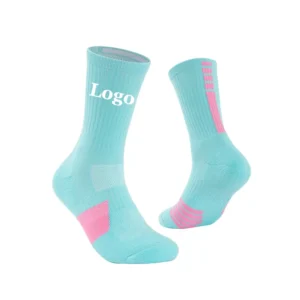

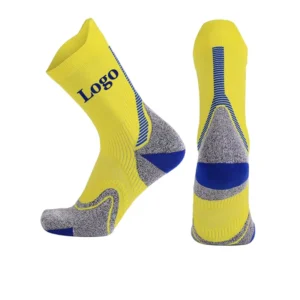
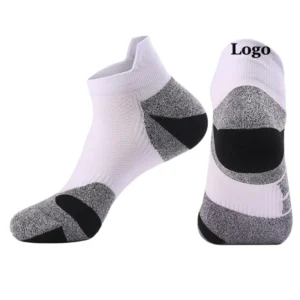


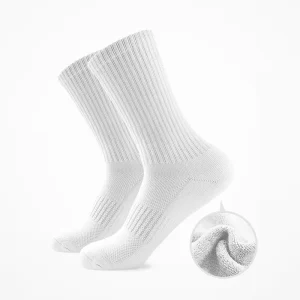




Running Socks Built Around Movement
Running socks face a different set of demands than everyday athletic socks. Repetitive impact, heat buildup, friction, and moisture all increase as mileage adds up.
SocksMaven manufactures custom running socks for sports brands, running clubs, events, and retail programs. Every project can be tailored around fit, cushioning, material selection, and branding requirements rather than relying on a one-size-fits-all approach.
What Makes Running Socks Different
The best running socks are designed to stay stable inside the shoe.
As distance increases, even small issues become noticeable. A sock that slides down, traps heat, or creates friction points can quickly affect comfort and performance.
Running sock construction often focuses on:
- Secure cuff retention
- Reinforced heel and toe zones
- Moisture management
- Breathable knit structures
- Consistent fit throughout movement
The goal is not simply softness. It is maintaining comfort after miles of repeated impact.
How Running Socks Handle Friction
Many foot problems begin with friction rather than distance.
The heel, forefoot, and toe areas typically experience the highest levels of stress during running. These zones often receive additional reinforcement to improve durability and help reduce premature wear.
A well-designed running sock distributes pressure more evenly and helps minimize hot spots that may eventually develop into blisters.
Cushioning Without Excess Bulk
More cushioning does not always create a better running experience.
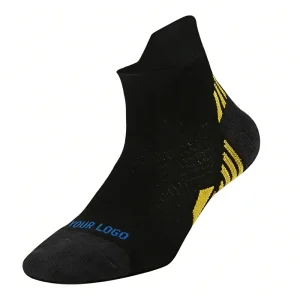
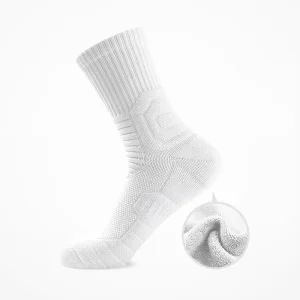
Many performance-oriented running socks use a half-terry construction, where cushioning is concentrated beneath the foot while the upper portion remains lighter and more breathable.
This structure creates impact protection where runners need it most while helping excess heat escape during longer sessions.
For many runners, balance matters more than maximum padding.
Material Options for Different Running Conditions
Different environments place different demands on a running sock.
Cotton Blend Options
Cotton-rich blends offer a familiar feel and work well for casual training and everyday running.
Performance Synthetic Blends
Polyester and nylon blends dry quickly and are often selected for higher-mileage programs where moisture management becomes more important.
Merino Wool Blends
Merino wool helps regulate temperature across changing conditions and is commonly used for cooler weather running and trail applications.
Stretch Components
Spandex helps maintain shape and reduces unwanted movement inside the shoe over time.
The right blend depends on climate, training frequency, and the intended use of the product.
Running Sock Height Options
Different runners prefer different levels of coverage.
Common choices include:
- No-show socks for minimal visibility
- Ankle socks for everyday training
- Quarter socks for additional heel protection
- Crew socks for trail running and branded collections
The best choice often depends on footwear, terrain, and personal preference rather than a single universal standard.
Custom Running Socks for Brands and Clubs
Running socks are increasingly used as part of a brand’s identity rather than simply as an accessory.
Customization options may include:
- Jacquard logos
- Custom color combinations
- Event graphics
- Club branding
- Packaging customization
Many running brands choose knitted logos because they remain flexible and integrate naturally into the sock structure.
For clubs and events, consistency across future reorders is often just as important as the initial design itself.
Who Orders Custom Running Socks
Custom running socks are commonly produced for:
- Running brands
- Marathon events
- Run clubs
- Sports retailers
- Corporate wellness programs
- Activewear collections
Each group tends to prioritize different factors, from performance features and branding to cost control and repeat-order consistency.
Things to Consider Before Ordering
Before developing a custom running sock program, it helps to think beyond the logo.
Consider:
- Running environment
- Preferred sock height
- Cushioning level
- Material blend
- Expected mileage
- Reorder requirements
Small design decisions often have a greater impact on long-term satisfaction than visual appearance alone.
Frequently Asked Questions
Are running socks different from regular athletic socks?
Running socks are typically designed to manage repetitive impact, friction, and moisture over longer periods of activity. Many include reinforced wear zones, breathable knit structures, and targeted cushioning that may not be present in general athletic socks.
What materials work best for running socks?
There is no single best material. Polyester blends are commonly chosen for moisture management, while merino wool blends are often preferred for temperature regulation. The ideal choice depends on climate, training volume, and personal preference.
Do thicker running socks prevent blisters?
Not necessarily. Excessively thick socks can sometimes increase heat and affect shoe fit. Proper construction, moisture control, and secure fit often play a larger role in blister prevention than thickness alone.
Which sock height is best for running?
The answer depends on the runner and the conditions. No-show and ankle styles remain popular for road running, while crew socks are often chosen for trail environments and branded event merchandise.
Can logos be knitted into running socks?
Yes. Jacquard knitting allows logos and graphics to become part of the sock structure, helping maintain flexibility while supporting consistent repeat production.