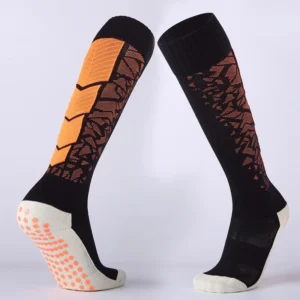
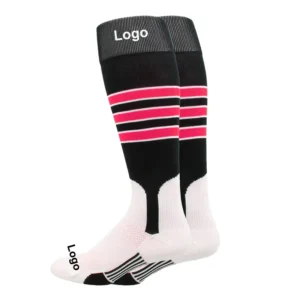
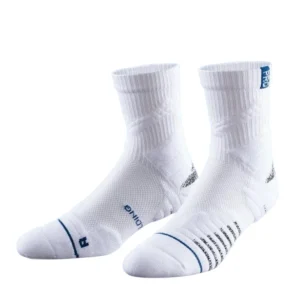
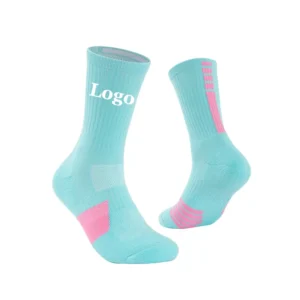
Athletic socks are one of the most practical products in the custom apparel market because they combine brand visibility, repeat use, and everyday performance in a single item. Whether you’re sourcing for a sports team, fitness brand, event campaign, school program, or retail collection, the right construction and materials make a noticeable difference in comfort, durability, and long-term wear.
At SocksMaven, we manufacture custom athletic socks for bulk orders with flexible design options, reliable production processes, and consistent quality across repeat runs.
What Makes Athletic Socks Different From Regular Socks?
Athletic socks are designed around movement, friction, and extended wear. Unlike basic everyday socks, they are built to handle repeated stress in areas that experience the most pressure during training, competition, and daily activity.
A well-designed sports sock typically focuses on:
- Moisture management
- Cushioning and impact absorption
- Foot stability
- Abrasion resistance
- Long-lasting elasticity
These features help reduce distractions during activity while improving overall comfort inside the shoe.
Athletic Sock Construction Matters More Than Most People Think
Many performance issues can be traced back to how a sock is constructed rather than the logo or graphic design.
Traditional sock construction divides the product into several functional zones including the cuff, leg, heel, instep, sole, reinforced bridge area, and toe section. Each area experiences different levels of stretching, compression, and abrasion during use.
For athletic applications, the highest wear zones are usually:
| Sock Area | Primary Function |
| Heel | Friction resistance and fit retention |
| Sole | Cushioning and impact absorption |
| Toe | Durability and abrasion resistance |
| Arch Area | Midfoot support and stability |
| Cuff | Preventing slippage during movement |
Understanding these stress points allows manufacturers to strengthen specific areas without making the entire sock unnecessarily thick.
Why Many Athletic Socks Use Terry Cushion Construction
One of the most common constructions found in modern athletic socks is the terry cushion structure, often called a half-cushion design.
In this construction, additional looped yarn is added primarily under the foot while keeping the upper foot area lighter and more breathable.
This approach creates a balance between comfort and ventilation.
Better Impact Absorption
The cushioned sole acts as a buffer between the foot and the shoe.
This extra layer helps absorb repeated impact during running, jumping, court sports, and gym training.
Improved Durability
Most sock failures happen at the heel and forefoot rather than the leg portion.
Additional yarn in these high-contact areas helps slow down wear and extends the lifespan of the product.
Breathability Where It Matters
Keeping the instep thinner than the sole allows heat and moisture to escape more efficiently.
This creates a more comfortable experience during extended activity.
Choosing the Right Materials for Athletic Socks
Material selection often has a greater impact on performance than visual design.
Different fibers contribute different benefits, which is why most athletic socks use blended yarn constructions rather than a single material.
Cotton for Everyday Comfort
Cotton remains one of the most popular sock materials because of its soft feel and natural moisture absorption.
Combed cotton is commonly preferred for custom athletic socks because it creates a smoother yarn with fewer short fibers.
Nylon for Durability
Nylon is frequently added to heel and toe areas because of its exceptional abrasion resistance.
Many performance socks rely on nylon reinforcement to improve longevity without increasing bulk.
Spandex for Stretch and Recovery
Without spandex, socks would quickly lose shape and slide during wear.
Spandex provides the stretch and recovery that helps athletic socks maintain a secure fit throughout the day.
Polyester and Polypropylene for Moisture Management
These synthetic fibers help move moisture away from the skin more efficiently than traditional cotton-only constructions.
They are commonly used in training socks, running socks, and team sports socks where sweat management is important.
Why Athletic Socks Sometimes Slide Down
Many people assume sock slippage is caused by poor manufacturing, but leg shape often plays a major role.
Research on sock fit shows that lower calf circumference varies significantly from person to person. Individuals with lean athletic builds frequently have calves that are only slightly larger than their ankles, while others experience a much greater difference.
Because standard sock patterns are designed around average body measurements, some wearers naturally experience more sock movement than others.
Several factors help reduce slippage:
- Stronger cuff elasticity
- Better yarn recovery
- Appropriate leg length
- Correct sock sizing
- Balanced compression around the lower leg
For team and performance applications, fit consistency is often just as important as visual design.
Do Athletic Socks Need Arch Support?
Not every athletic sock requires aggressive compression.
However, many sports socks include a supportive band around the midfoot because it helps keep the sock stable inside the shoe.
The goal is not to squeeze the foot excessively.
The goal is to reduce movement between the foot, sock, and footwear.
This can help improve comfort during long training sessions while reducing bunching inside the shoe.
Custom Athletic Socks for Teams and Sports Programs
Athletic socks remain one of the most effective products for team branding because they are worn repeatedly throughout a season rather than being used once and forgotten.
Custom designs can include:
- Team logos
- School branding
- Club colors
- Player numbers
- Sponsor graphics
- Event-specific artwork
Unlike many promotional products, athletic socks combine branding with practical daily use.
Custom Athletic Socks for Fitness Brands
Fitness and activewear brands often use custom socks as part of a broader product collection.
Because socks require relatively low storage space and offer strong reorder potential, they are frequently added alongside apparel, accessories, and merchandise programs.
Many emerging brands begin with a focused sock collection before expanding into larger apparel categories.
Athletic Sock Length Options
Different sports and customer groups often prefer different sock heights.
| Length | Typical Applications |
| No-Show | Running, casual fitness |
| Ankle | Gym training, walking |
| Quarter | Training and lifestyle use |
| Crew | Team sports, retail programs |
| Knee-High | Soccer, baseball, compression applications |
Selecting the right length often depends more on the intended use than current fashion trends.
Bulk Athletic Sock Manufacturing for Repeat Orders
Most organizations sourcing athletic socks are not looking for a one-time order.
They need a product that can be reordered consistently throughout a season or product cycle.
That means maintaining consistency in:
- Yarn colors
- Logo positioning
- Sock dimensions
- Material composition
- Packaging specifications
At SocksMaven, our production process is designed around repeatability so future orders can remain aligned with approved samples and previous production runs.
Packaging Options for Custom Athletic Socks
Packaging often plays an important role for retail brands and promotional programs.
Common options include:
- Custom hang tags
- Printed belly bands
- Header cards
- Individual polybags
- Retail-ready packaging
- Private label packaging
The appropriate choice depends on whether the socks are intended for retail shelves, e-commerce fulfillment, team distribution, or event giveaways.
Why Businesses Choose Custom Athletic Socks
Athletic socks continue to be one of the most versatile custom textile products because they work across multiple industries and customer groups.
They combine practical daily use with strong branding opportunities while remaining relatively simple to store, ship, and reorder.
For teams, fitness brands, schools, retailers, and promotional campaigns, they offer a balance between functionality, visibility, and long-term value that few branded products can match.
Frequently Asked Questions
What are the best materials for athletic socks?
Most athletic socks use a blend of fibers rather than a single material. Cotton provides comfort, nylon improves durability, spandex maintains stretch and fit, while polyester or polypropylene help manage moisture during physical activity. The ideal blend depends on the sport, climate, and intended use.
What is the difference between athletic socks and regular socks?
Athletic socks are designed with performance-focused features such as cushioning, moisture management, reinforced wear zones, and improved fit stability. Regular socks typically prioritize everyday comfort and may not offer the same level of durability or support during repeated physical activity.
Are cushioned athletic socks better for sports?
Cushioned designs can improve comfort and reduce impact stress during activities that involve running, jumping, or extended standing. However, the ideal cushioning level depends on the sport, footwear fit, and personal preference, since excessive thickness may affect shoe fit for some users.
Can custom athletic socks include logos and team colors?
Yes. Most custom athletic socks can incorporate logos, team colors, player numbers, and other brand elements through jacquard knitting, embroidery, or printing methods. The best decoration technique depends on the complexity of the artwork and the intended use of the sock.
Why do athletic socks wear out at the heel and toe first?
The heel and toe experience the highest levels of friction inside footwear. Repeated contact during walking, running, and training gradually breaks down fibers in these areas. Reinforced yarns and cushioned constructions help improve durability and extend product lifespan.
 Skip to content