 Skip to content

If you’re comparing branded socks and custom corporate socks, the decision is less about adding a logo and more about deciding how much control you want over the final product.
Both options can display your company name. The difference is whether the sock itself is part of your brand strategy or simply a surface for branding.
For short-term campaigns, event giveaways, or internal promotions, branded socks may be enough. For companies building merchandise programs, employee kits, retail products, or long-term marketing assets, custom corporate socks often provide greater value because every aspect of the product can be aligned with the brand.
What Are Branded Socks?
Branded socks are typically existing sock styles that receive a logo, embroidery, print, or label after the base product has already been developed.
The structure, fit, materials, and construction are usually predetermined. Businesses choose a color, add branding elements, and place an order.
This approach works well when speed, simplicity, and lower upfront costs are the primary goals.
Common uses include:
- Event giveaways
- Trade show merchandise
- Marketing campaigns
- Employee welcome packs
- Temporary promotional programs
For many companies, branded socks are a practical solution because they provide visibility without requiring product development.
What Makes Corporate Socks Truly Custom?
Custom corporate socks are developed around the brand rather than adapted from an existing product.
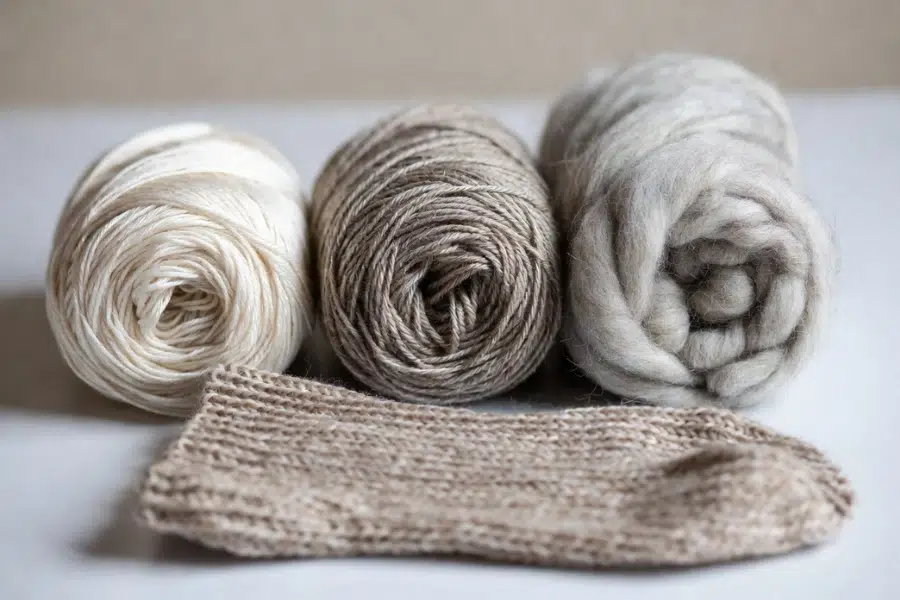
Instead of choosing from a finished catalog item, businesses can influence multiple aspects of the sock, including yarn selection, knitting structure, sizing, color layout, functional features, and packaging.
This distinction matters because socks are not defined solely by graphics. According to sock manufacturing principles, products can vary significantly based on construction, fiber composition, knitting structure, intended use, and length configuration.
A corporate sock designed for office employees will likely require a different structure than a sock created for a company sports event, wellness program, or retail merchandise collection.
In practice, custom corporate socks give businesses control over both appearance and performance.
The Difference Goes Beyond the Logo
One of the most common misconceptions in promotional merchandise is that branding starts and ends with logo placement.
In reality, people often notice comfort, fit, and wear experience before they notice branding.
A logo may attract attention initially, but product quality determines whether the item continues to be used.
A pair of socks that loses shape quickly, feels uncomfortable inside shoes, or develops premature heel wear is unlikely to become part of someone’s regular wardrobe.
A well-designed corporate sock has a better chance of becoming a frequently worn item, which naturally increases long-term brand exposure.
Why Knitting Structure Matters More Than Most Buyers Realize
Most buyers focus on colors and artwork during the planning stage. Manufacturers often focus on something else entirely — knitting structure.
Different knitting structures create different wear characteristics.
For example, rib-knit sections are commonly used where elasticity and shape retention matter. Mesh structures can improve airflow in areas where heat tends to build up. Terry-knit cushioning adds volume and impact protection, making it popular for athletic and workwear applications. Jacquard structures allow logos and patterns to become part of the sock itself rather than being applied afterward.
These structural decisions influence comfort, durability, appearance, and long-term performance.
Two socks may look similar in a product photo while feeling completely different during daily wear.
Material Selection Shapes Brand Perception
Material choices affect more than softness.
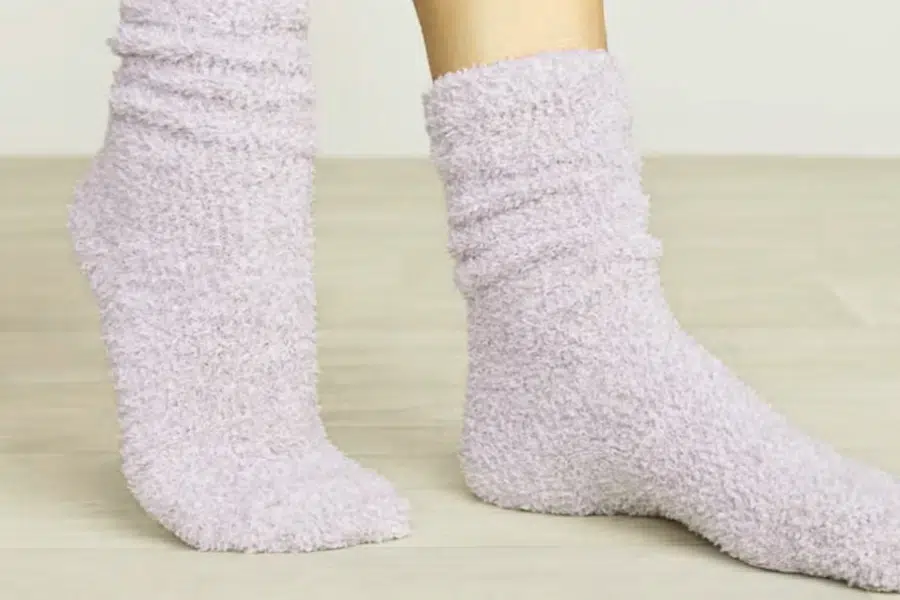
They influence durability, moisture management, temperature regulation, and how the sock performs after repeated washing.
Branded socks often rely on predetermined yarn blends chosen for broad compatibility across multiple customers.
Custom corporate socks allow businesses to select materials based on the intended use of the product.
For example:
- Combed cotton is often selected for everyday comfort and durability.
- Bamboo blends are commonly used when moisture management is important.
- Merino wool works well for cooler environments and outdoor applications.
- Recycled fibers may support sustainability initiatives and ESG programs.
When recipients wear corporate socks repeatedly, material quality becomes part of their perception of the brand itself.
Logo Placement vs Logo Integration
A logo can be added to almost any sock. That doesn’t automatically make it a strong branded product.
The difference lies in how the branding is incorporated into the design.
With branded socks, logos are often embroidered, printed, or added to an existing sock style. The branding is visible, but the underlying product remains largely unchanged.
Custom corporate socks allow branding to become part of the product structure. Jacquard knitting, for example, integrates logos, patterns, and brand colors directly into the fabric during production. This creates a cleaner appearance and often improves long-term durability because the design is built into the sock rather than applied afterward.
For companies investing in employee merchandise, retail collections, or premium corporate gifts, this distinction can significantly affect how the product is perceived.
Consistency Matters More Than Most Corporate Buyers Expect
Many businesses focus heavily on the first order.
Experienced buyers usually think about the second and third order as well.
A promotional campaign may last a few weeks, but employee uniforms, retail merchandise, and company onboarding programs often require repeat production over months or years.
This is where custom corporate socks often provide an advantage.
When specifications are documented from the beginning, businesses can maintain consistency in:
- Yarn composition
- Color matching
- Sock length
- Knit structure
- Logo positioning
- Packaging presentation
Consistency becomes particularly important when products are distributed across multiple offices, events, or retail locations.
A sock that looks different every time it is reordered can weaken brand presentation rather than strengthen it.
Understanding the Real Cost Difference
Branded socks generally have a lower initial investment because the product already exists.
The buyer is primarily paying for branding rather than product development.
Custom corporate socks usually involve higher unit costs because the design, materials, construction, and production setup are tailored to specific requirements.
However, comparing only the purchase price can be misleading.
A corporate gift worn twice provides very little long-term exposure. A well-designed custom sock that remains in regular use for months or years can generate significantly more impressions over its lifespan.
The question is not simply:
“Which option costs less?”
The better question is:
“Which option creates more value over time?”
For companies focused on long-term brand engagement, that difference often justifies the additional investment.
When Branded Socks Make Sense
Branded socks are often the practical choice when speed and simplicity are the priorities.
They work particularly well for:
- Short-term marketing campaigns
- Event giveaways
- Conference merchandise
- Seasonal promotions
- Limited budgets
In these situations, the primary goal is visibility rather than long-term product performance.
A branded sock can deliver that objective efficiently.
When Custom Corporate Socks Deliver Better Results
Custom corporate socks become more attractive when the product itself is expected to represent the company.
This is common for:
- Employee onboarding programs
- Corporate gift collections
- Retail merchandise
- Membership programs
- Sports sponsorships
- Wellness initiatives
- Company stores
In these cases, recipients are more likely to judge the brand through the product experience.
Factors such as comfort, durability, fit, appearance, and construction become part of the brand message.
The sock is no longer just carrying the logo. It is helping define how the brand is remembered.
How to Choose the Right Option
A simple decision framework can help.
Choose branded socks when:
- Speed is critical
- Design requirements are minimal
- The product is intended for short-term use
- Budget is the primary consideration
Choose custom corporate socks when:
- Brand presentation matters
- Repeat orders are likely
- Product quality affects perception
- Functional performance is required
- The socks are expected to become part of a long-term merchandise strategy
Many companies eventually use both approaches at different stages.
Branded socks often work well for temporary campaigns, while custom corporate socks support programs designed to create longer-lasting engagement.
Why Many Brands Choose a Manufacturing Partner Instead of a Catalog Product
As corporate merchandise programs become more sophisticated, businesses increasingly look beyond catalog-based promotional products.
Working directly with a manufacturer provides greater control over materials, knitting structures, sizing, packaging, and branding execution.
That doesn’t necessarily mean creating a complicated product.
In many cases, it simply means ensuring the final sock reflects the same standards applied to other branded materials.
At SocksMaven, many corporate projects begin with a simple question.
“What experience should this product create for the person wearing it?”
That answer often determines whether a standard branded sock is sufficient or whether a fully customized solution makes more sense.
The Bottom Line
Branded socks and custom corporate socks serve different purposes.
Branded socks focus on visibility. They offer a straightforward way to add a company logo to an existing product and are often suitable for short-term promotions.
Custom corporate socks focus on ownership of the product experience. Materials, construction, knit structures, branding integration, and packaging can all be aligned with the goals of the business.
If the objective is quick exposure, branded socks may be enough.
If the objective is creating a product that people continue wearing long after the initial interaction with your brand, custom corporate socks usually provide greater long-term value.

