Skip to content

A Practical Guide for Bulk Buyers and Organizations
If you’re building charity care packages at scale, socks are the one item you can’t afford to overlook.
They are used daily, replaced frequently, and almost always in short supply.
For most organizations, securing a consistent source of socks becomes a bigger challenge than collecting them.
Why socks are one of the most requested items
In many shelters, socks are requested more often than any other clothing item.
The reason is simple. They don’t last long.
- People may walk miles each day
- Socks are exposed to moisture and friction
- Limited access to laundry makes reuse difficult
Unlike jackets or shoes, socks need to be replaced regularly. This creates constant demand rather than one-time need.
What happens without clean socks
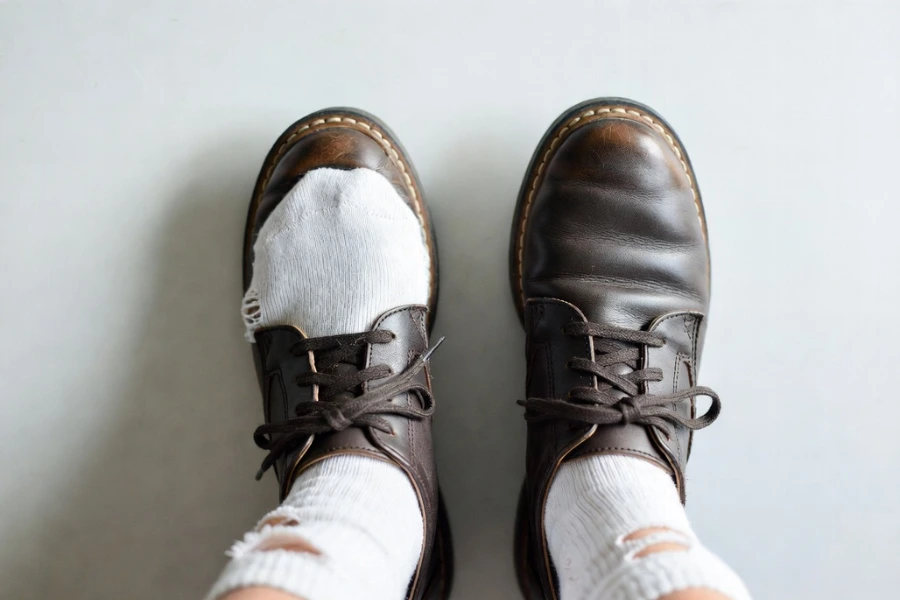
Without clean socks, small issues quickly turn into serious problems.
Foot health is often one of the first areas affected in vulnerable populations.
Common risks include:
- Blisters and skin breakdown
- Fungal infections from prolonged moisture
- Increased risk of frostbite in cold weather
In outreach programs, volunteers often report that providing fresh socks immediately improves comfort and mobility. It is one of the fastest ways to make a visible difference.
Why socks must be new, not reused
Most charities only accept new socks.
This is not a preference. It is a requirement.
- Used socks carry hygiene risks
- Worn fabric loses durability and protection
- Safe distribution standards require clean, unused items
Unlike outerwear, socks cannot be effectively recycled through donation channels. This creates an ongoing need for new supply rather than occasional contributions.
Why bulk sourcing makes the biggest impact
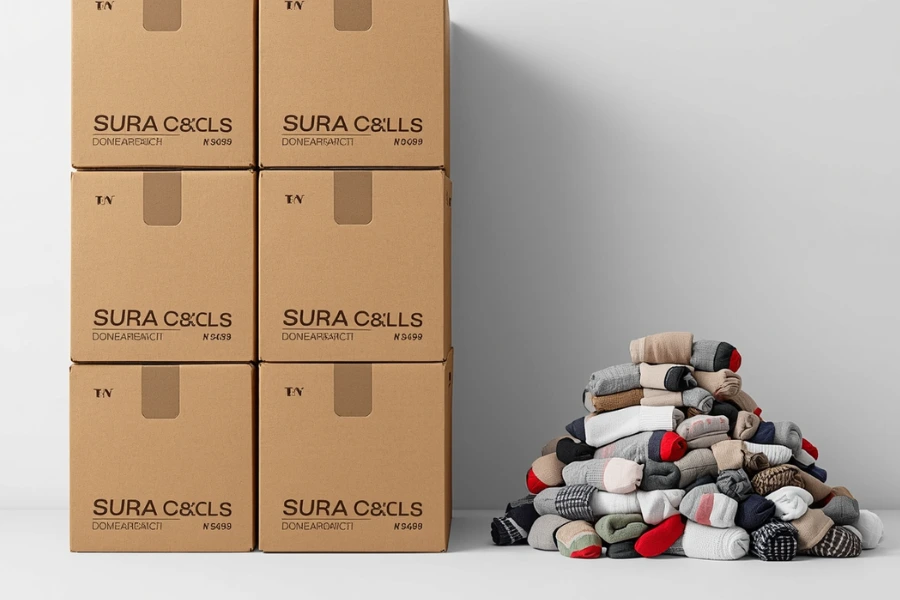
Understanding the need is only the first step.
Meeting it consistently is the real challenge.
Organizations that rely only on individual donations often face shortages. Supply is unpredictable and difficult to scale.
Bulk sourcing solves this problem.
- Lower cost per pair allows more people to be served
- Stable inventory prevents gaps in distribution
- Easier planning for monthly or seasonal demand
For example, a mid-size shelter serving 200–300 people per month may distribute hundreds of pairs regularly. Without a reliable supply model, shortages happen quickly.
This is why many organizations move toward structured sourcing instead of relying only on public donations.
Where socks are needed most
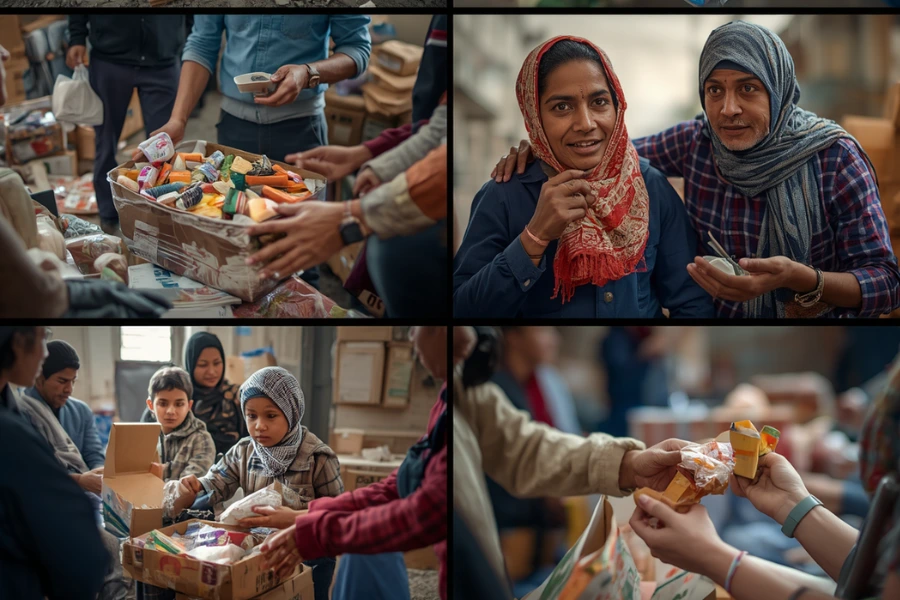
The demand extends across multiple programs and environments.
Homeless shelters and outreach
Shelters provide clean socks upon intake and during regular distribution. Outreach teams include them in daily care packages.
Disaster relief programs
Emergency shelters often require large quantities of essential clothing within days. Socks are one of the fastest-moving items.
Domestic violence and family support centers
New residents often arrive with limited belongings. Basic clothing kits typically include socks as a priority item.
Youth and foster care programs
Children need consistent access to clean clothing for school and daily activities. Socks are a recurring need.
International aid programs
Socks are lightweight, compact, and easy to distribute, making them ideal for large-scale shipments.
How to choose the right socks for donation
Not all socks perform well in real-world conditions.
The focus should be on durability and practicality.
- Cotton blends offer comfort and breathability
- Reinforced heels and toes improve lifespan
- Neutral colors simplify sorting and distribution
- Multiple sizes ensure broader usability
In colder regions, thicker socks provide added protection. In warmer climates, breathable materials help reduce moisture-related issues.
How to scale a sock donation program effectively
Scaling requires structure, not just intention.
- Define your target group
Shelter residents, outreach recipients, or families - Estimate monthly demand
Based on distribution frequency - Choose a sourcing strategy
Combine donation drives with bulk purchasing - Plan logistics
Storage, sorting, and distribution workflow - Maintain consistency
Ongoing supply is more effective than one-time campaigns
Organizations that treat sock supply as a system rather than a campaign achieve more stable results.
A more reliable way to source socks for large programs
At a certain scale, relying only on donations becomes inefficient.
Consistency matters more than volume.
A reliable sourcing partner helps maintain stability.
Key capabilities to look for:
- Flexible order quantities for different program sizes
- Consistent product quality across batches
- Fast sampling and clear production timelines
- Global delivery with predictable lead times
This is where SocksMaven provides practical support.
With long-term manufacturing experience and flexible production, SocksMaven helps organizations secure a steady supply without overcommitting inventory. Design support, consistent quality, and global logistics make it easier to maintain donation programs at scale.
FAQ
Why are socks one of the most needed donation items
Socks wear out quickly, must be replaced often, and cannot be safely reused. People without access to laundry rely on clean socks daily for hygiene, comfort, and basic foot health, making them one of the most requested items.
Why do charities require new socks instead of used ones
Charities require new socks due to hygiene and safety concerns. Used socks may carry bacteria or damage that makes them unsuitable for long-term wear. Providing new socks ensures safe and reliable distribution.
Why is bulk purchasing better for donation programs
Bulk purchasing reduces cost per unit and ensures a consistent supply. This helps organizations serve more people while maintaining stable inventory, which is critical for shelters and outreach programs with ongoing demand.
What types of socks are best for charity care packages
Durable, breathable socks made from cotton blends or moisture-wicking materials work best. Neutral colors, reinforced areas, and comfortable fit make them suitable for extended wear in different conditions.
Who benefits most from sock donations
Sock donations support homeless individuals, disaster victims, families in crisis, and youth programs. These groups often lack access to clean clothing and depend on donated essentials for daily comfort and hygiene.
Can businesses support charities through bulk sock orders
Yes. Businesses can support charity programs by sourcing socks in bulk and coordinating distribution with organizations. This approach improves efficiency, reduces costs, and ensures a reliable supply of essential items.
Final takeaway
Socks are small, but their impact is immediate.
For organizations working at scale, the challenge is not awareness. It is consistency.
A reliable supply of socks turns short-term help into long-term support.