Skip to content

Football socks may not always be the first piece of gear you think about, but they are essential for both performance and foot health. Choosing the right socks can make a significant difference in comfort, injury prevention, and overall performance. Whether you’re an amateur player or a professional, understanding how to properly use football socks will help you get the most out of your game. Here’s everything you need to know.
Why Football Socks Matter
Football socks are more than just part of your uniform. They serve several key functions that enhance your game and comfort:
- Protection: They shield your feet from blisters, abrasions, and injuries.
- Support: Compression features in football socks help improve circulation, keeping muscles fresh and reducing fatigue.
- Comfort: Moisture-wicking properties keep your feet dry and reduce the risk of athlete’s foot and other foot-related issues.
- Shin Guard Support: Football socks hold shin guards in place, ensuring they stay positioned throughout the game.
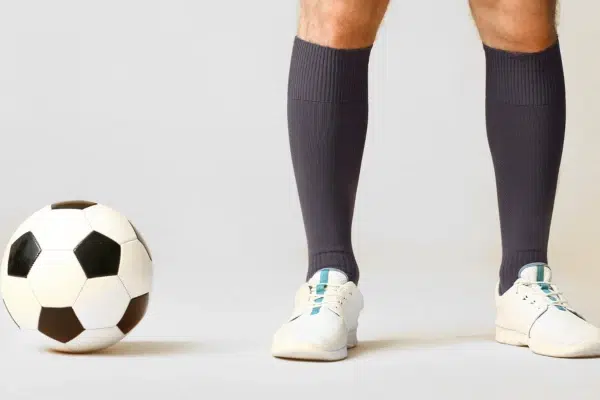
What to Look for in Football Socks
When shopping for football socks, choosing the right features is crucial. Here’s what to look for:
1. Material Matters
The material of your socks plays a huge role in both comfort and durability. Consider these options:
- Polyester: Durable, moisture-wicking, and long-lasting. Ideal for high-intensity sports like football.
- Nylon: Known for its strength and flexibility, nylon provides a snug fit without restricting movement.
- Cotton: Comfortable but can trap moisture, which may lead to blisters. Not the best option for intense play.
- Spandex/Elastane: Offers compression and flexibility, perfect for supporting muscles and improving circulation.
2. The Right Fit
Football socks should fit snugly around your foot, shin, and calf. A good fit ensures that the socks stay in place and provide support. Make sure the socks aren’t too tight, as that could restrict circulation, and avoid socks that are too loose, which can lead to discomfort or slippage.
How to Use Football Socks for Maximum Comfort
To maximize the comfort and performance of your football socks, make sure to use them correctly. Here’s how:
1. Pair Them with Your Gear
Football socks are designed to work with your uniform and gear, especially shin guards. Properly fitted socks will keep your shin guards in place and prevent them from shifting during play. Compression socks help support your calves and reduce fatigue, while cushioned socks provide added comfort for your feet.
2. Pay Attention to the Weather
The weather should guide the type of socks you wear:
- In cooler weather: Opt for thicker socks made from wool or polyester to keep your feet warm and dry.
- In warmer weather: Lighter, moisture-wicking socks are best to keep your feet comfortable without causing sweat buildup.
3. Maintain Comfort with Compression
Compression socks are great for improving blood flow and reducing muscle fatigue. These socks provide targeted support to your calves, helping you stay fresher during intense gameplay and aiding recovery afterward. They’re a must for competitive athletes who need to maximize performance and recovery.

Caring for Your Football Socks
Proper care will extend the lifespan of your football socks and keep them performing at their best.
1. Wash Regularly
Football socks should be washed after each use to maintain hygiene and effectiveness. Use cold water and avoid fabric softeners that can degrade their elastic properties.
2. Dry Carefully
Air-drying is the best option to preserve the fit and performance of your socks. If you must use a dryer, make sure it’s on a low heat setting to prevent damage to the material.
3. Replace Worn-Out Socks
Football socks lose their elasticity and cushioning over time. Check for wear and tear regularly, and replace them if they lose their shape or develop holes.
FAQ: Common Questions About Football Socks
Q1: How should football socks fit?
A: Football socks should fit snugly around your feet and calves. They should be tight enough to support circulation without being uncomfortable or restricting movement.
Q2: What material is best for football socks?
A: Polyester and nylon are the best materials for football socks. They are durable, moisture-wicking, and breathable, providing comfort and support throughout the game.
Q3: How often should I replace my football socks?
A: Replace your football socks when they start to lose elasticity, become too thin, or develop holes. Regular inspection after every few games ensures you’re always performing in the best gear.
Q4: Can football socks help prevent blisters?
A: Yes, the right football socks provide cushioning, reduce friction, and wick moisture away, which can prevent blisters and foot irritation.
Q5: How should I care for my football socks?
A: Wash your socks regularly in cold water and air dry them to preserve their elasticity and moisture-wicking properties. Avoid fabric softeners to maintain their performance.
Why SocksMaven?
If you’re looking for the best football socks, SocksMaven offers high-quality, custom-made options designed for comfort, performance, and durability. Whether you’re looking for moisture-wicking, compression, or cushioned football socks, SocksMaven has a solution tailored to your needs.
Wrapping Up: Get the Best Performance with the Right Football Socks
Football socks are more than just a uniform requirement—they’re an essential piece of gear that can improve your game. By choosing the right socks, caring for them properly, and understanding their benefits, you’ll stay comfortable, protected, and perform at your best.