


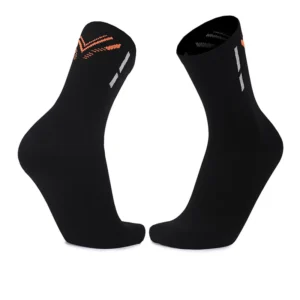
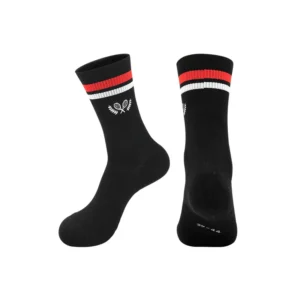
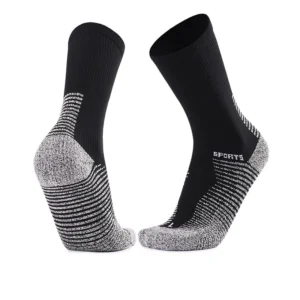
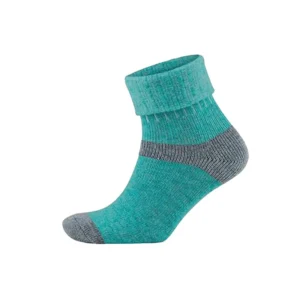





Custom Crew Socks
Crew socks remain one of the most versatile sock styles for retail brands, sports programs, company merchandise, and private-label collections. Sitting between the ankle and the calf, they offer more coverage than ankle socks while remaining comfortable enough for everyday wear.
For custom projects, crew socks are often the easiest style to standardize across different users because they balance fit, durability, logo visibility, and year-round wearability.
What Makes Crew Socks Different
The defining feature of a crew sock is its leg length. Unlike no-show or ankle socks, crew socks extend above the ankle and cover part of the lower leg, creating a balanced profile that works with sneakers, work shoes, casual footwear, and many athletic applications.
This additional leg area creates practical advantages beyond appearance. It helps reduce friction from footwear, provides more space for branding, and allows the sock to stay in position more consistently throughout the day.
For many brands, crew socks become the default choice because one style can serve multiple audiences without feeling overly specialized.
Understanding Crew Sock Construction
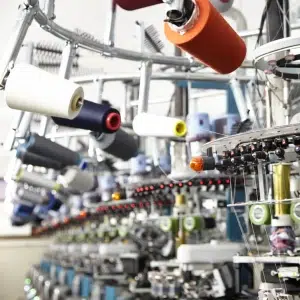
A well-made crew sock is more than a tube of fabric. Each section of the sock performs a specific function that affects comfort, fit, durability, and long-term wear.
The cuff is designed to hold the sock in place without excessive pressure. The leg section provides coverage and serves as the primary area for logos, patterns, and color placement. The heel is shaped to follow the natural contour of the foot, while the toe and sole typically receive additional reinforcement because these areas experience the highest wear.
Many consumers notice worn heels and toes long before the rest of the sock shows signs of aging. For this reason, reinforced construction remains one of the most important details in quality crew socks.
Why Crew Socks Work Across So Many Applications
Crew socks have become one of the most widely used sock categories because they adapt easily to different environments.
Retail brands often choose them because they appeal to a broad customer base. Sports teams use them because they provide moderate leg coverage without the height of knee socks. Corporate merchandise programs appreciate the larger branding area, while workwear suppliers value their compatibility with boots and occupational footwear.
Rather than serving a single niche, crew socks occupy a practical middle ground that works for many different users.
Material Options for Custom Crew Socks
Material selection influences far more than softness alone.
Cotton remains one of the most common choices because it provides comfort, moisture absorption, and familiarity for everyday wear. Combed cotton is often selected for cleaner yarn quality and a smoother surface.
Nylon is frequently added to improve abrasion resistance, particularly in heel and toe areas where repeated friction occurs. Spandex helps the sock stretch and recover, allowing it to stay close to the foot instead of becoming loose over time.
For brands targeting warmer climates, bamboo-derived fibers may offer improved breathability and moisture management. For colder environments, wool blends provide insulation while continuing to manage moisture effectively.
The right yarn combination depends less on trends and more on how the sock will actually be used.
How Cuff and Heel Design Affect Fit
Many fit complaints are not caused by sizing problems alone.
A sock that slides down during wear often suffers from insufficient cuff support, poor elastic recovery, or a mismatch between the sock leg and the wearer’s calf shape.
Research into sock fit shows that calf circumference varies significantly between individuals. A sock that performs well for one user may gradually slip on another simply because the lower leg shape is different.
Heel construction also plays an important role. A properly shaped heel pocket helps keep the sock aligned with the foot, reducing twisting, bunching, and excess fabric movement inside the shoe.
These small construction details often influence real-world comfort more than consumers realize.
Logo and Branding Options
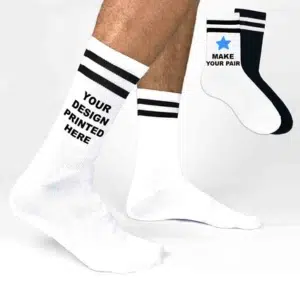
Crew socks provide one of the largest decoration areas among everyday sock styles.
Depending on the design requirements, logos may be incorporated through jacquard knitting, embroidery, or printing methods. Each approach creates a different visual effect and works better for specific artwork types.
Jacquard knitting is often preferred for long-term retail programs because the design becomes part of the sock structure itself rather than being added afterward. This helps maintain flexibility and consistency across repeat production runs.
Who Typically Orders Custom Crew Socks
Crew socks are commonly used by:
- Retail and apparel brands
- Sports teams and clubs
- Corporate merchandise programs
- Schools and universities
- Event organizers
- Promotional product distributors
- Subscription box companies
Because the style has broad appeal, many businesses view crew socks as a lower-risk starting point when launching a custom sock program.
Why Crew Socks Are Often the Safest Choice
Some sock categories target highly specific users. Crew socks do not.
They work across different age groups, footwear styles, climates, and use cases. That flexibility reduces inventory risk, simplifies reordering, and allows brands to reach a wider audience with a single product category.
For businesses evaluating custom sock options for the first time, crew socks often provide the most practical balance between customization opportunities and long-term usability.
Custom Crew Socks from SocksMaven
At SocksMaven, custom crew socks remain one of the most requested product categories because they fit naturally into retail, promotional, athletic, and private-label programs.
From yarn selection and logo development to packaging and repeat-order consistency, the goal is not simply to produce socks, but to help businesses build products that are easy to reorder, easy to wear, and suitable for long-term brand growth.