Skip to content
Blisters, sweaty feet, and worn heels usually point to the wrong socks, not the shoes. This guide explains how sock brands differ by use case, materials, and construction so you can make better choices without relying on marketing claims.
This is not a ranked list of the best sock brands. It’s a practical review of how different brands approach everyday wear, sports, and outdoor use. Once you understand those differences, choosing the right option becomes far easier.
Takeaway
The best sock brand is the one that matches how and where you wear your socks, not the name on the label.
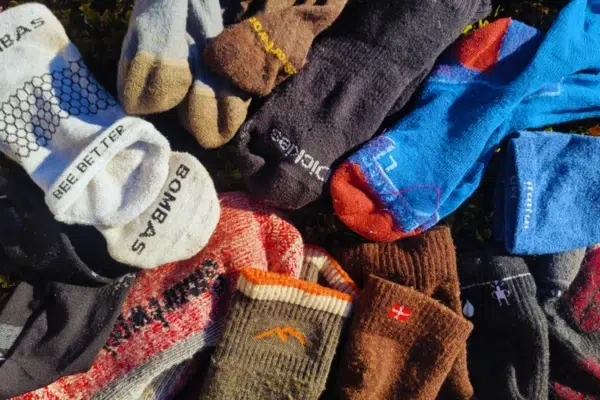
How to Choose Socks Based on How You Wear Them
Socks That Work for Daily Wear and Long Workdays

What you need
All-day comfort, breathable fabric, and a clean look that holds up from morning to night.
Material focus
- Cotton blends for softness
- Lightweight merino wool blends for better moisture control
Key features
- Medium cushioning
- Secure fit that stays up
- Flat toe seams to reduce irritation
- Simple designs suitable for work or casual settings
Everyday brands like Hanes and Uniqlo focus on comfort, affordability, and easy rotation. These socks work well for commuting, office hours, and casual daily wear.
Socks Designed for Running and Training Sessions

What you need
Dry feet, blister prevention, and a stable fit during movement.
Material focus
- Performance synthetics like Coolmax
- Merino-synthetic blends
Key features
- Targeted cushioning at the heel, arch, and forefoot
- Seamless toe construction
- Arch support zones
- Low-cut or no-show profiles
Sports brands such as Nike and adidas design socks around moisture control and fit during motion. The goal is reducing friction and foot movement inside the shoe, not adding thickness.
Why Thin Performance Socks Often Work Better Than Thick Ones
Thick socks can feel protective, but they often trap heat and moisture. As sweat builds up, friction increases and blisters become more likely.
Performance-focused socks use thinner fabrics with cushioning only where impact occurs. This approach improves moisture control and limits hot spots during long or high-intensity sessions.
Thickness adds comfort at rest. Smart construction adds comfort in motion.
Socks Built for Hiking and Outdoor Conditions

What you need
Protection, temperature control, and durability over long distances.
Material focus
- High-percentage merino wool blends
Key features
- Full-foot cushioning
- Reinforced heel and toe
- Strong moisture regulation even when wet
- Crew or mid-calf height for boots
Outdoor-focused brands like Darn Tough prioritize durability and merino-heavy construction. These socks are designed for long days on the trail rather than short outings.
Socks That Keep You Warm Without Bulk

What you need
Reliable warmth with a consistent fit inside winter or insulated boots.
Material focus
- Merino wool with elastic fibers
Key features
- Extra padding along the shin and pressure points
- Graduated compression for circulation support
- Anatomical shaping for boot compatibility
Warmth comes from fiber choice and structure, not from piling on thickness.
Everyday Socks That Keep Costs Down
What you need
Low cost per pair and dependable basics for frequent rotation.
Material focus
- Cotton, polyester, and nylon blends
Key features
- Sold in multi-pair packs
- Basic cushioning
- Simple, durable construction
Brands like Hanes and Uniqlo dominate this category by focusing on consistency and price. These socks handle daily wear well but offer limited support for sports or outdoor use.
What Socks Are Made Of and Why It Matters
The Real Difference Between Wool, Cotton, and Synthetics
Merino wool
Regulates temperature, wicks moisture, and resists odor naturally. It performs well across daily wear, sports, and outdoor conditions.
Cotton
Soft and breathable but slow to dry. Best suited for casual wear rather than high-intensity activity.
High-performance synthetics
Fast-drying and durable. Common in running socks where moisture control matters most.
Blended fabrics
The standard for modern socks. Blends balance comfort, durability, stretch, and moisture management in one design.
Design Details That Affect Comfort and Fit
Cushion levels
- Light for running
- Medium for daily wear
- Full cushion for hiking and cold weather
Seamless toe construction
Reduces friction and helps prevent blisters during extended wear.
Arch support systems
Elastic knit zones help stabilize the foot and reduce fatigue.
Lifetime warranties
Offered by select brands and often reflect confidence in durability and construction quality.
What Different Sock Brands Focus On Today
Durability and long-term value
Some brands emphasize dense knitting and long-term wear to reduce replacement frequency.
Athletic performance
Sports brands invest in compression, zoned cushioning, and fit systems built for movement.
Everyday simplicity
Daily-wear brands focus on comfort, cost control, and easy replacement.
Sustainability and responsibility
Recycled fibers and ethical sourcing are becoming more common across the industry.
At SocksMaven, we see more buyers moving away from one-size-fits-all options. People want control over cushioning, materials, height, and fit based on how they actually wear their socks.
FAQ
How many pairs of socks should I own?
For everyday wear, 7 to 10 pairs allow proper rotation and help socks last longer. Athletic and outdoor socks should be counted separately based on how often you train, run, or hike.
Do socks need left and right foot designs?
Most everyday socks do not. Performance and compression socks often use anatomical shaping to improve fit and reduce friction during long runs, hikes, or winter sports.
How should socks be washed to last longer?
Wash socks in cold or warm water to protect fibers and elasticity. Avoid fabric softener and air dry when possible, especially for wool socks, to reduce heat damage.
What if my feet sweat a lot?
Choose merino wool or moisture-wicking synthetic blends that move sweat away from the skin. Avoid pure cotton and pair socks with breathable shoes for better airflow.
Why are thin performance socks more expensive than thick cotton socks?
Price reflects construction, not thickness. Thin performance socks use advanced fibers, seamless toes, and targeted cushioning that require more complex knitting and testing.
How to Use This Guide
Start by identifying what matters most to you, such as material, cushioning, height, and fit. Once those choices are clear, narrowing down brands becomes easier. If standard options don’t fully match how you wear your socks, custom designs from SocksMaven offer a way to align comfort and performance with real daily use.