Skip to content

Athletes slipping inside their shoes. Yoga students sliding on studio floors. Patients losing balance in hospital corridors.
These situations all share the same problem — lack of traction between the foot and the surface.
Anti slip socks solve this issue with specialized grip technology. Silicone or rubber grip pads increase friction, stabilize the foot, and improve movement control.
Because of these benefits, grip socks are now widely used in sports, fitness studios, healthcare facilities, and daily home environments. At the same time, many organizations are choosing professionally customized grip socks to combine performance with branding.
Why Grip Socks Are Becoming So Popular
Grip socks were once limited to Pilates studios and hospital settings. Today they are used across many industries where stability and safety matter.
Common environments include
- Football and basketball training
- Yoga and Pilates studios
- Hospitals and rehabilitation centers
- Home fitness and everyday use
The reason is simple. Grip socks provide extra traction without restricting natural movement.
For athletes, this improves performance. For everyday users, it improves safety.
Grip Socks vs Regular Socks – What’s the Difference
Regular socks are designed mainly for comfort and warmth. They absorb sweat and provide cushioning but offer little traction.
Grip socks add specialized design features that improve stability during movement.
Key differences include
- Silicone or PVC grip pads on the sole
- Targeted traction zones under the heel and forefoot
- Elastic compression that secures the sock to the foot
- Performance fabrics designed for breathability and durability
These features transform a basic sock into a functional performance accessory.
How Anti Slip Socks Actually Work
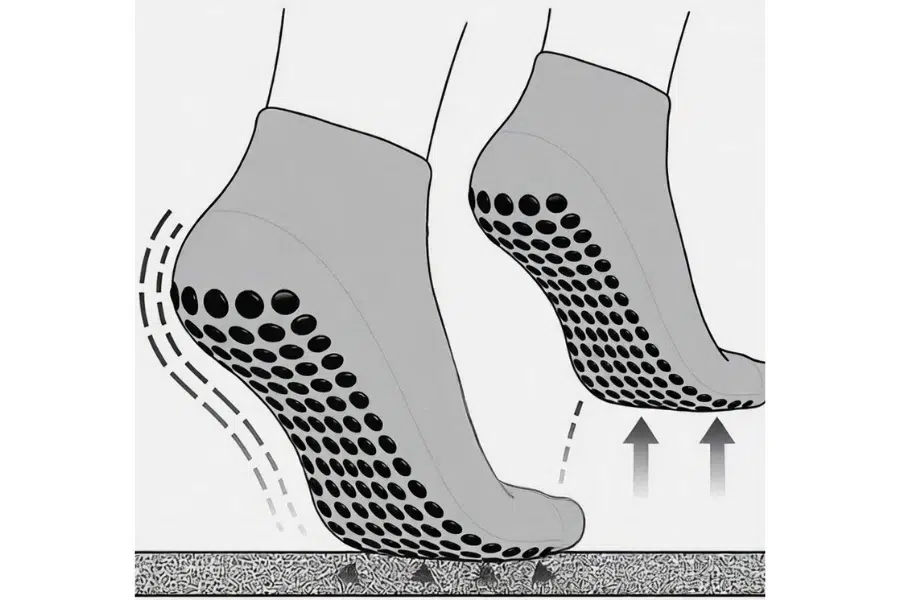
Anti slip socks rely on three core mechanisms to reduce slipping and improve movement control.
Grip Pads Increase Friction on Smooth Surfaces
The most visible feature of grip socks is the traction pattern on the sole.
These grip zones are typically made from materials such as
- Silicone
- PVC
- Rubber-based polymers
When the foot contacts a smooth surface, these materials increase friction between the sock and the floor or shoe interior.
This friction prevents the foot from sliding. It creates a stable contact point that supports controlled movement.
The concept is similar to how tire treads help vehicles maintain traction on the road.
How Grip Socks Stop Your Feet From Sliding Inside Shoes
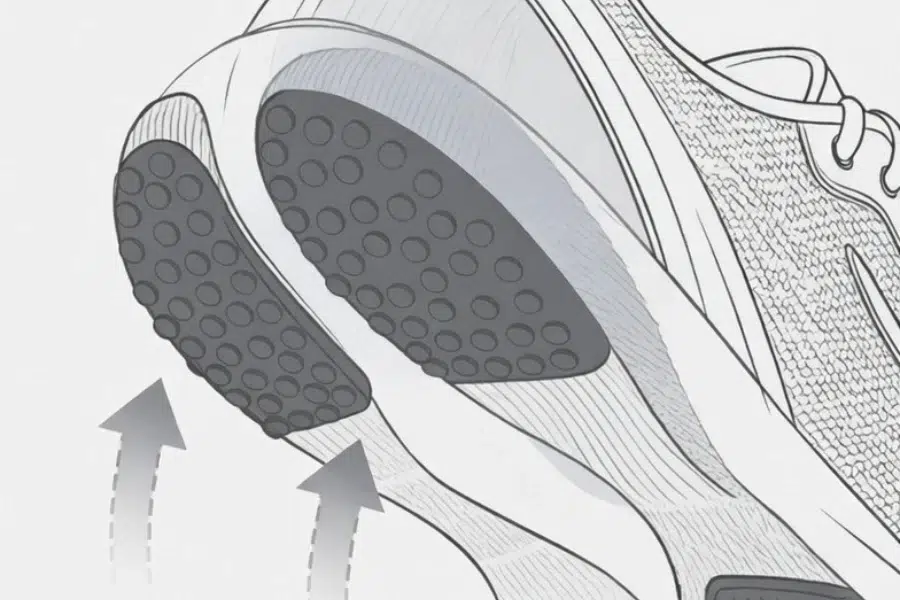
Slipping often happens inside footwear, not just on the ground.
During activities like sprinting or changing direction, the foot can slide slightly inside the shoe. This reduces balance and wastes energy.
Grip socks help stabilize the foot by interacting with the shoe insole. The grip pads increase traction while the elastic sock structure keeps the fabric firmly aligned with the foot.
This creates a secure connection between the foot and the shoe.
For athletes, this stability can improve responsiveness and control during fast movements.
How Grip Socks Improve Energy Transfer During Movement
When the foot slides inside the shoe, some of the force generated by the leg muscles is lost.
Grip socks reduce this energy loss.
Because the foot remains stable, energy transfers more efficiently into forward motion, jumping, or direction changes.
This is one reason why many football and soccer players use grip socks during training and matches.
Main Benefits of Wearing Grip Socks
Grip socks provide several practical benefits across sports, fitness, healthcare, and everyday environments.
The most important advantages include
- Improved stability on smooth surfaces
- Reduced risk of slips and falls
- Better athletic performance during fast movements
- Reduced blisters caused by foot friction
- Improved hygiene in shared environments
For example, many yoga studios recommend grip socks because they improve traction during poses while creating a hygienic barrier between the foot and the floor.
In sports environments, grip socks help athletes maintain control when accelerating or changing direction.
Where Grip Socks Are Most Commonly Used
Grip socks are versatile products used across many activities and industries.
Grip Socks for Sports and Team Training
Athletes often use grip socks to improve foot stability inside their shoes.
They are especially common in
- Football and soccer
- Basketball training
- Gym workouts
- Indoor sports
Better traction allows players to perform rapid direction changes, acceleration, and pivots more confidently.
Grip Socks for Yoga and Pilates
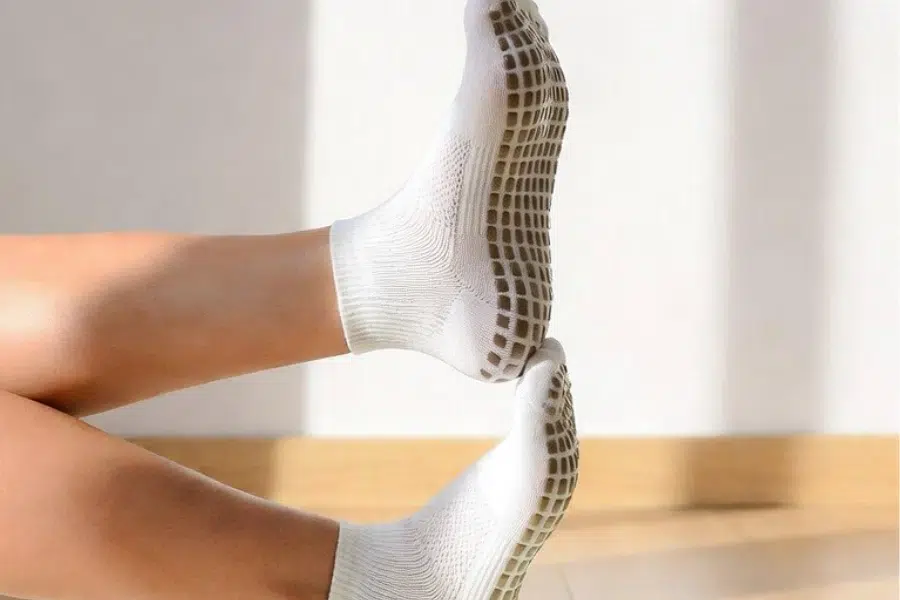
Grip socks are widely used in yoga and Pilates studios where participants practice on mats or smooth floors.
They help maintain balance during poses and provide better control during exercises.
Many studios recommend them for both stability and hygiene reasons.
Grip Socks in Hospitals and Rehabilitation
Hospitals frequently provide non slip socks to patients to reduce fall risk.
Falls are a major concern in healthcare environments, especially among elderly or recovering patients.
Grip socks help improve stability when walking on smooth hospital floors and support safer movement during rehabilitation exercises.
Grip Socks for Home and Daily Use
Grip socks are increasingly popular for everyday use at home.
They are helpful for
- Elderly individuals
- Children playing indoors
- People recovering from injuries
On hardwood, tile, or laminate flooring, the added traction can significantly reduce slipping.
Why More Brands Are Choosing Custom Grip Socks
As grip socks become more common, businesses are recognizing their value beyond basic functionality.
Custom grip socks allow organizations to combine performance benefits with brand identity.
Common business uses include
- Fitness studios selling branded merchandise
- Sports teams creating team identity products
- Corporate events offering promotional items
- Retail brands launching custom sock collections
Custom socks also provide a practical product that customers actually use. This makes them more effective than many traditional promotional items.
At SocksMaven, brands can design custom grip socks with specific materials, colors, logos, and grip patterns that match their identity and customer needs.
What Makes a High Quality Grip Sock
Not all grip socks deliver the same performance. Several design factors determine product quality.
High Performance Sock Materials
High quality grip socks use breathable and durable fabrics such as
- Cotton blends for comfort
- Polyester for moisture control
- Spandex or elastane for flexibility
These materials help maintain comfort during long periods of wear.
Durable Grip Technology
The traction elements themselves are critical.
High performance grip socks typically use
- Silicone grips for durability and flexibility
- PVC traction elements for strong surface grip
Quality grips remain effective even after repeated washing.
Compression and Proper Fit
A proper fit ensures the grips remain aligned with the foot.
Many high quality socks include
- Arch compression
- Elastic cuffs
- Seamless construction
These features improve comfort while maintaining stability.
Durability and Long Term Performance
Grip socks experience more friction than standard socks.
Reinforced stitching and durable grip materials help maintain performance over time.
Why Work With a Professional Grip Sock Manufacturer
Producing high quality custom grip socks requires specialized manufacturing knowledge.
Professional manufacturers provide advantages such as
- Advanced knitting technology for consistent quality
- Durable grip application techniques
- Flexible order quantities for different business sizes
- Global shipping and logistics support
SocksMaven has been producing custom socks since 1997 and focuses on combining performance, sustainability, and flexible production. With OEKO-TEX and SEDEX compliant manufacturing,SocksMaven supports brands that want reliable, ethically produced custom socks.
This allows companies to create professional custom grip socks without dealing with complex production processes.
How to Wash and Care for Grip Socks
Proper care helps maintain traction and extend product lifespan.
Recommended care practices include
- Wash socks in cold water
- Avoid fabric softeners that weaken grip materials
- Air dry instead of using high heat dryers
These simple steps help preserve both the grip elements and the elasticity of the sock.
FAQ
What are grip socks used for?
Grip socks are designed to improve traction and stability on smooth surfaces. They are commonly used in sports, yoga, fitness training, hospitals, and home environments to reduce slipping and improve movement control.
Do grip socks really prevent slipping?
Yes. Grip socks use silicone or rubber traction pads to increase friction between the foot and the surface. This helps prevent sliding and improves balance during activities such as sports, exercise, or walking.
Why do athletes wear grip socks?
Athletes wear grip socks to reduce foot movement inside their shoes. This improves stability, responsiveness, and energy transfer during activities that require fast direction changes or explosive movement.
Are grip socks better than regular socks?
Grip socks provide additional traction and stability compared with regular socks. While regular socks focus on comfort, grip socks improve balance and control during sports, workouts, and other movement-based activities.
What are grip socks for soccer?
Soccer players often wear grip socks to improve foot stability inside their cleats. The added traction helps reduce internal slipping and supports better control during sprinting, turning, and quick direction changes.
Can businesses customize grip socks?
Yes. Many manufacturers offer custom grip socks with options such as logo placement, colors, grip patterns, and packaging. Custom socks are commonly used by sports teams, gyms, studios, and promotional brands.
Final Thoughts
Grip socks combine traction, comfort, and stability in a simple but effective design.
They help athletes perform better, support safer movement in healthcare environments, and provide added security for everyday activities.
As demand continues to grow, professionally customized grip socks also give brands a practical product that combines performance with strong brand identity.