Skip to content

Types, Materials, and How to Choose the Right Performance Socks
Choosing the wrong sock structure can lead to discomfort, product returns, and wasted budget.
If you’re developing custom functional socks, you need more than a style decision. You need a clear understanding of functional socks classification so performance matches real-world use.
This guide explains the types of functional socks, their materials, and how to choose the right option for your brand or project.
What Are Functional Socks and Why They Matter
Functional socks are performance-driven socks designed to solve a specific problem.
Unlike regular cotton socks, functional sock types focus on:
- Moisture control
- Compression support
- Cushioning
- Temperature regulation
- Friction reduction
Clear takeaway
Functional socks are built around performance needs, not appearance.
Functional Sock Types at a Glance
Functional socks can be grouped by performance purpose.
Below is a simplified comparison for quick decision making.
| Functional Sock Type | Best For | Key Material | Cushion Level | Compression |
|---|---|---|---|---|
| Compression Socks | Recovery, travel, wellness | Nylon + elastane | Light to medium | Yes |
| Running Socks | High-impact sports | Polyester or merino blends | Targeted | Optional |
| Hiking Socks | Outdoor, cold conditions | Merino wool blends | Medium to heavy | No |
| Cushioned Socks | Long standing | Cotton blends or terry knit | Heavy | No |
| Moisture-Wicking Socks | Gym, summer use | Polyester or nylon | Light | No |
Function first. Length second.
Any of these can be ankle, crew, or knee-high depending on use.
The Main Types of Functional Socks
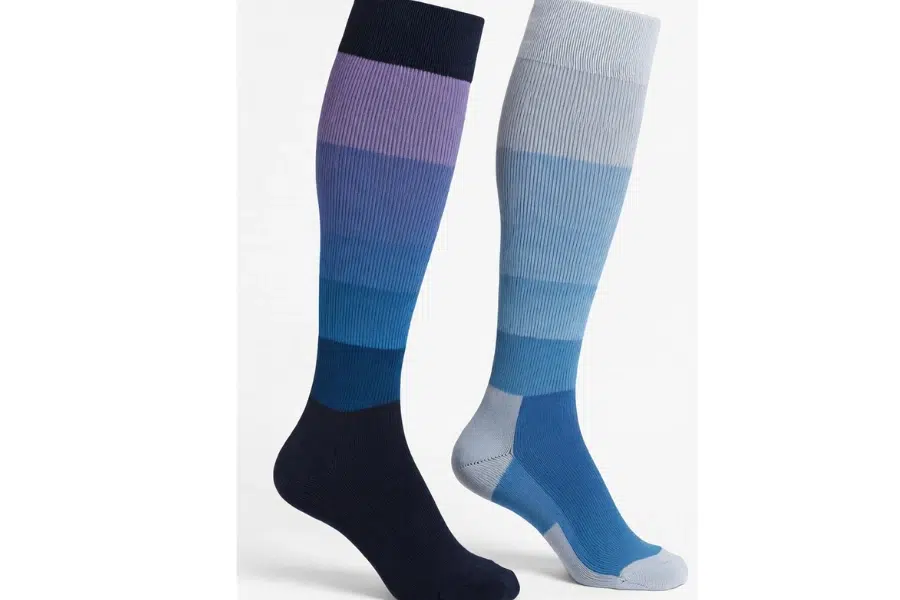
Compression Socks
What they solve
- Improve circulation
- Reduce swelling
- Support recovery
Compression socks apply graduated pressure. The highest pressure sits at the ankle and decreases upward.
How it works
- Elastic yarn ratios control compression
- Structured knitting ensures consistent pressure
- Measured in mmHg levels
Mild compression typically ranges between 15–20 mmHg. Higher levels require medical-grade precision.
When producing compression socks, knitting accuracy matters. SocksMaven uses advanced machinery to maintain consistent elasticity and structure.
Running Socks
What they solve
- Blister prevention
- Sweat management
- Shock absorption
Cotton retains moisture, which increases friction. That’s why most performance running socks use synthetic blends or merino wool.
Key performance features
- Seamless toe construction
- Arch support band
- Mesh ventilation panels
- Reinforced heel and toe
For marathon events or sports club merchandise, moisture-wicking blends are the safest choice.
Hiking and Outdoor Socks
What they solve
- Temperature regulation
- Moisture control
- Long-wear comfort
Merino wool is widely used because it regulates heat in both cold and mild conditions.
Recommended structure
- Terry sole padding
- Reinforced heel and toe
- Mid to heavy thickness
Outdoor brands often choose merino blends over pure wool for durability and faster drying.
Cushioned Performance Socks
What they solve
- Impact absorption
- Standing fatigue
Extra padding in high-impact areas improves comfort during long shifts.
Common users include:
- Warehouse staff
- Retail employees
- Event teams
If your audience stands 6 to 8 hours daily, cushioning improves product value immediately.
Moisture-Wicking Socks
What they solve
- Sweat buildup
- Odor control
Moisture-wicking socks pull sweat away from the skin and move it outward for evaporation.
Common yarns include:
- Polyester
- Nylon
- Merino wool
Even professional dress socks now integrate moisture-wicking fibers for all-day wear.
Functional Sock Materials That Impact Performance
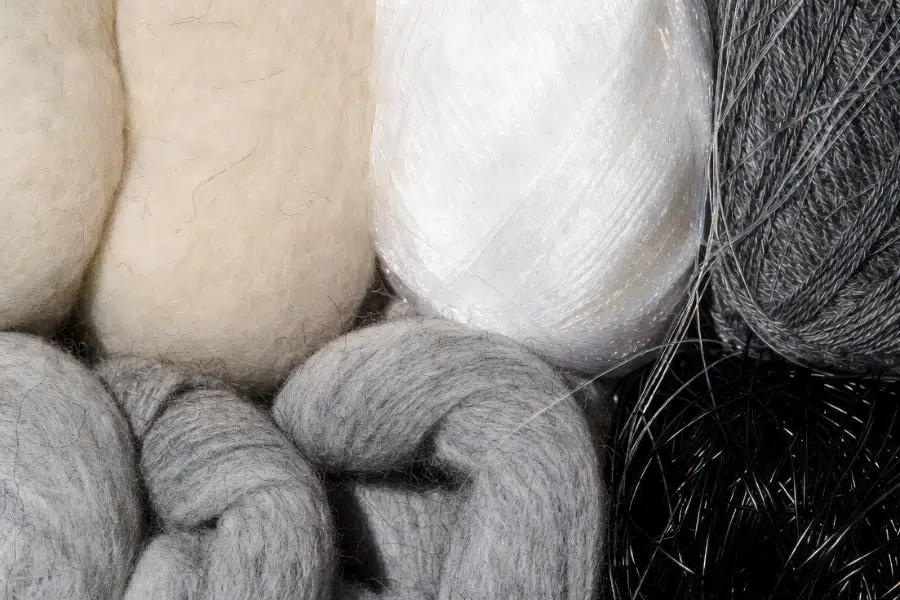
Material choice determines durability and performance.
Cotton
Soft and breathable. Best for low-activity daily wear.
Not ideal for high-intensity sports due to moisture retention.
Polyester
Lightweight and moisture-wicking.
Widely used in athletic performance socks.
Nylon
Strong and abrasion-resistant.
Often blended to improve durability.
Merino Wool
Naturally regulates temperature and resists odor.
Common in hiking and outdoor functional socks.
Elastane or Spandex
Provides stretch and compression control.
Essential for compression and performance fit.
How to Choose Functional Socks for Your Brand
Follow these steps.
Step 1 — Define the User Scenario
Be specific.
- Running club
- Corporate wellness kit
- Winter outdoor collection
- Gym merchandise
A clear scenario avoids production mistakes.
Step 2 — Select Core Features
Choose no more than five technical elements:
- Yarn blend
- Cushion thickness
- Compression level
- Reinforced zones
- Breathability panels
Each feature affects cost and machine setup.
Step 3 — Choose the Right Length
Match length to footwear.
- Ankle for running
- Crew for daily athletic use
- Knee-high for compression
Remember. Length does not define function.
Step 4 — Confirm Branding Placement
Avoid placing logos over high-stretch compression zones.
Better placements include:
- Rib cuff
- Outer ankle panel
- Full jacquard pattern
SocksMaven provides free digital mockups so branding interacts properly with stretch and structure.
Step 5 — Plan Production and Shipping
Consider:
- MOQ flexibility
- Sustainable certifications
- Lead time
- Packaging
Since 1997,SocksMaven has specialized in custom sock manufacturing with OEKO-TEX and SEDEX compliance. Flexible order quantities and global delivery options support both small launches and bulk programs.
Express shipping can arrive within 3 to 7 days depending on region.
Common Functional Sock Mistakes to Avoid
Avoid these common errors:
- Using pure cotton for high-intensity running socks
- Adding heavy cushioning without adjusting shoe fit
- Selecting high compression without understanding pressure levels
- Ignoring elasticity when placing logos
Small design mistakes can reduce performance quality.
Functional Socks FAQ
What are functional socks
Functional socks are performance-oriented socks designed to solve specific problems such as moisture control, compression support, or impact absorption.
What is the difference between functional socks and regular socks
Regular socks focus on comfort and style. Functional socks prioritize performance features such as moisture-wicking fibers, structured cushioning, or compression zones.
Are compression socks considered functional socks
Yes. Compression socks are a type of functional sock designed to improve circulation and reduce swelling through graduated pressure.
What material is best for functional socks
Polyester blends and merino wool are commonly used because they manage moisture and regulate temperature better than pure cotton.
How long do functional socks last
With proper care, most performance socks last 6 to 12 months depending on usage frequency and washing habits.
Final Takeaway
Functional socks classification starts with performance needs.
Define the use case first.
Choose materials and structure second.
Select length and branding last.
If you begin with the right functional category, the rest of the production process becomes clear.
Start by outlining your performance requirement, then request a technical mockup before bulk production.