Skip to content

You’re not choosing a merch platform. You’re choosing a supply path that affects quality, delivery risk, and reorder consistency.
Takeaway in one sentence – use POD to validate demand, then switch to a dedicated sock manufacturer when socks become a repeatable B2B program. 🧦
Start here – what you’re really trying to solve
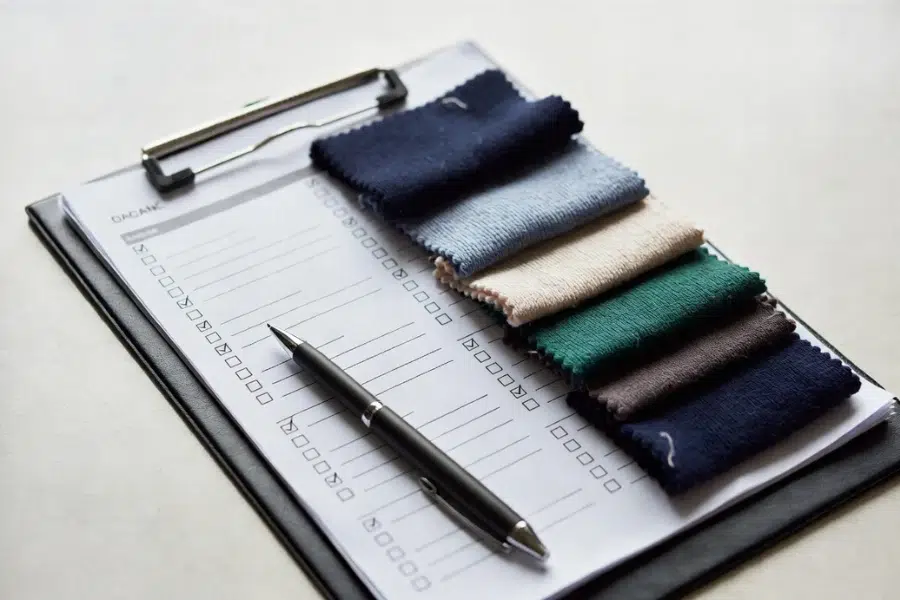
Get these answers before you compare tools. It prevents expensive backtracking.
- Use case – corporate gifting, retail resale, team uniforms, subscription boxes
- Volume pattern – one-time event, monthly replenishment, seasonal spikes
- Customization level – printed art vs. knit-in jacquard, embroidery, performance zones
- Fulfillment – ship to end customers, ship to your warehouse, ship to multiple offices
- Compliance needs – OEKO-TEX, ethical audits, material traceability
The 3 ways companies sell custom socks online
Most options fit into three procurement models. Each model has a predictable tradeoff.
Option 1 – Marketplace print-on-demand
You list products in a marketplace, they produce and ship.
When it works:
- Fast launch
- Low operational overhead
- You want marketplace discovery
Where it breaks for B2B:
- Limited sock construction choices
- Harder to standardize sizing and hand feel across reorders
- Branding control is usually restricted
Option 2 – Your own store with POD fulfillment
You run your storefront and the POD partner fulfills orders.
When it works:
- You need customer data and brand control
- You’re testing multiple designs quickly
- You want to sell beyond socks later
Where it breaks for B2B:
- Sock blanks vary by print partner
- Lead times shift during peak season
- QC is usually after the fact through returns
Option 3 – Work with a sock manufacturer
You place production with a factory and control specs, QC, and packaging.
When it works:
- Socks are a core branded item, not a side product
- You need reliable reorders for programs and procurement cycles
- You want knit detail, better yarn choices, and consistent sizing
Where it breaks:
- You must approve specs and samples up front
- You need someone to own the vendor relationship
What to compare – the 5 factors that actually matter
Use these five criteria in your sourcing review.
- Consistency – will reorder No. 3 match reorder No. 1
- Customization depth – knit methods, yarn choices, performance features
- Lead time control – sampling, production, shipping options
- Total landed cost – unit cost plus packaging, duties, freight, returns
- Operational load – who owns QC, shipping, customer service, exceptions
Side-by-side comparison for B2B sock programs
This table is designed for procurement, not creators.
| Option | Best for | Customization depth | Reorder consistency | Lead time control | Ideal B2B fit |
|---|---|---|---|---|---|
| Marketplace POD | Quick market test | Low | Low to medium | Low | Limited |
| POD partner + your store | Pilot runs with brand control | Medium | Medium | Medium | Good for testing |
| Dedicated manufacturer | Scaled programs and replenishment | High | High | High | Best |
Which option fits your use case
Choose marketplace POD when speed matters most
Choose this if you need speed more than control.
- You’re validating a design concept
- Your brand can accept standard sock limitations
- You’re OK with limited packaging options
Everyday example:
A conference runs a small merch drop to gauge interest before committing to a bulk buy.
Choose POD fulfillment when you want control without manufacturing
Choose this when you want your brand experience to stay consistent, even during testing.
- You want Shopify-level control over branding and customer data
- You need a broader product catalog beyond socks
- You’re testing pricing and bundles
Everyday example:
A DTC brand runs three sock designs for 30 days, then keeps one winner for long-term supply.
Choose a manufacturer when socks must stay consistent
Choose this when socks become a procurement item, not a marketing experiment.
- You need consistent sizing and feel for reorders
- You want knit-in logos, jacquard patterns, embroidery, or performance builds
- You’re shipping to offices, teams, distributors, or retail buyers
Everyday example:
A gym chain needs the same member sock in every location, every quarter, with predictable delivery dates.
A simple 5-step process to buy socks like a pro
Keep steps short and assign an owner to each one.
- Define the program – audience, purpose, and reorder cadence.
- Set quality requirements – yarn feel, compression level, thickness, wash durability.
- Choose the model – marketplace POD, POD partner, or manufacturer.
- Run a sample test – wear it for a week, wash it twice, check stretch recovery.
- Lock the logistics plan – warehouse delivery or dropshipping, plus import terms.
Vendor questions that prevent expensive mistakes
These questions catch most sourcing issues early.
Questions about quality and repeat orders
- How do you control sizing across reorders
- What’s your defect handling and remake policy
- Can you share a clear sample approval workflow
Questions about materials and customization
- Which knit methods do you support – jacquard, embroidery, heat transfer
- What yarn options match the use case – breathable, cushioned, supportive
- Which certifications support skin-contact and sustainability claims
Questions about timelines and shipping
- Sampling timeline and production timeline
- Peak season capacity plan
- Shipping options and who handles duties
Where SocksMaven helps B2B teams move faster
If you want socks that behave like a dependable product line, SocksMaven is built around the decisions procurement teams care about.
- Established in 1997 with a production-first approach focused on consistency
- OEKO-TEX and SEDEX compliant manufacturing for safer materials and more responsible sourcing
- Free custom sock samples and design support to speed approvals and reduce revision cycles
- Packaging and dropshipping services when you want fewer operational touchpoints
- Flexible ordering without MOQ constraints when you’re scaling in phases
- Multiple shipping paths plus DDP support to simplify cross-border delivery and landed cost planning
This model is a strong fit for:
- corporate gifting programs with recurring runs
- sports teams and clubs that need repeatable sizing and durability
- retail and e-commerce sellers who want consistent restocks without surprises
Your next step
Pick one pilot design and one long-term program design.
Validate demand with a POD route, then move the winning SKU into a manufacturer workflow with SocksMaven when consistency and replenishment start to matter.