Skip to content

Which type of water sports socks should you choose
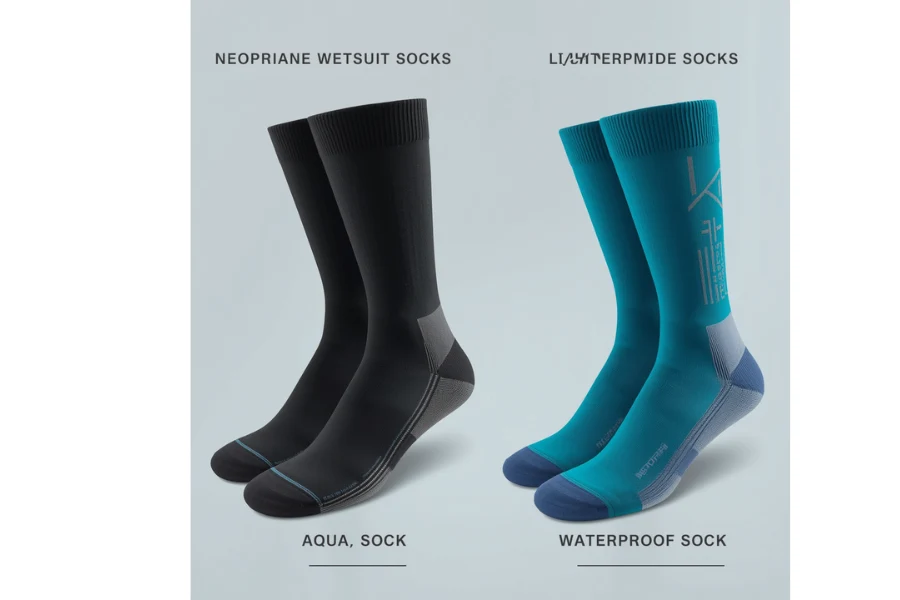
If your feet get cold, slip on wet surfaces, or end up scratched after water activities, you’re likely using the wrong type of socks. The right water sports socks depend on one thing first — your environment and activity.
For cold water, you need insulation. For warm water, you need flexibility. For rocky terrain, you need protection. Once you match the sock type to the condition, everything else becomes easier.
What are water sports socks
Water sports socks are purpose-built socks designed for wet environments, helping protect your feet, improve grip, and maintain comfort during activities where regular socks fail.
They stay lightweight when wet, dry quickly, and fit closely enough to prevent slipping or bunching during movement.
Types of water sports socks
Aqua socks for warm water and casual use
Aqua socks are lightweight, flexible, and designed to feel almost like a second skin, making them a practical choice for activities where comfort and freedom of movement matter more than insulation.
They work well for snorkeling, beach walking, or water parks, especially when you need basic protection from hot sand or small debris without adding bulk.
Swim socks for open water performance
Swim socks focus on reducing drag while still offering light insulation, which makes them suitable for open water swimming or triathlon use where efficiency and comfort need to stay balanced.
They are typically thinner and more streamlined than other options, helping maintain a natural kicking motion.
Wetsuit socks for cold water insulation
Wetsuit socks, made from neoprene, are designed for colder conditions where maintaining warmth becomes essential for both comfort and safety.
They trap a thin layer of water that warms with your body, which is why they are commonly used in surfing, kayaking, and winter swimming.
Waterproof socks for wet but not fully submerged conditions
Waterproof socks use a layered membrane to block external moisture, making them useful for situations like wet hiking or shoreline movement where your feet are exposed to water intermittently rather than continuously.
They are not ideal for full immersion but can serve as a backup when conditions are unpredictable.
Wading socks for extended immersion
Wading socks are thicker neoprene socks designed for situations where your feet stay underwater for long periods, such as fishing or standing in rivers, where warmth matters more than keeping water out.
They are less flexible but provide consistent insulation over time.
How to choose based on your situation
If you only remember one rule, use this:
- Cold water → choose neoprene wetsuit socks
- Warm water → go with lightweight aqua socks
- Swimming performance → use swim socks
- Wet terrain or backup → use waterproof socks
Why you need water sports socks
Protection in unpredictable environments
Water surfaces often hide sharp rocks, shells, or debris, and stepping on them barefoot can quickly lead to cuts or discomfort, especially when visibility is low or footing is unstable.
Stability on slippery surfaces
Walking on wet rocks, pool edges, or boat decks can feel unstable, but socks with grip soles help maintain traction and reduce the risk of slipping when entering or exiting the water.
Warmth when temperature drops
In colder water, your feet lose heat quickly, and neoprene socks slow this process down, allowing you to stay comfortable longer without compromising movement.
Reduced friction during movement
Whether you’re wearing fins, standing on a paddleboard, or walking along the shore, water socks reduce direct friction and help prevent blisters during repeated motion.
Best socks by activity
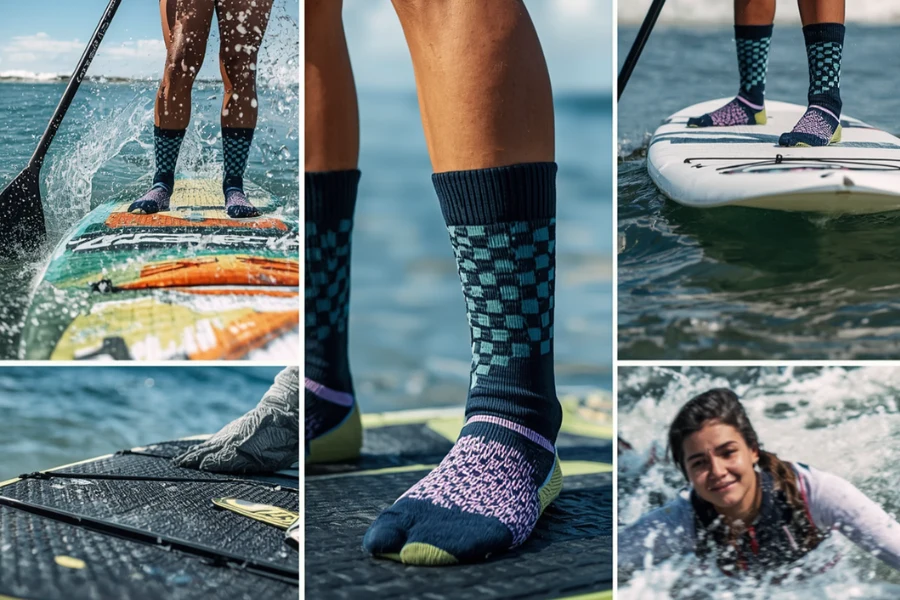
Different activities place different demands on your feet, so choosing based on usage is more effective than choosing based on appearance or material alone.
For snorkeling or diving, thinner neoprene socks help prevent rubbing inside fins while still keeping your feet warm. When paddleboarding or surfing, flexible socks with light grip allow better board feel without sacrificing stability.
Kayaking or canoeing often requires more insulation, especially in windy or cold conditions, while open water swimming benefits from streamlined socks that don’t interfere with kicking efficiency.
For casual beach use or water parks, lightweight socks are usually enough, as they focus on comfort, grip, and basic protection rather than thermal performance.
Materials explained
Neoprene for insulation and durability
Neoprene is the standard for cold water use because it provides insulation, flexibility, and durability, with thickness levels that can be adjusted depending on how much warmth you need.
Lycra or spandex blends for flexibility
These materials are lightweight and breathable, making them suitable for warm environments where quick drying and comfort are more important than heat retention.
Waterproof membranes for moisture blocking
Waterproof socks use a membrane layer to prevent water from entering, although this also limits how easily internal moisture can escape during high activity.
Sole construction for grip and protection
Rubber soles offer stronger protection and grip on rough terrain, while thinner or silicone-based soles provide enough traction for smoother surfaces without reducing flexibility.
How to choose the right pair
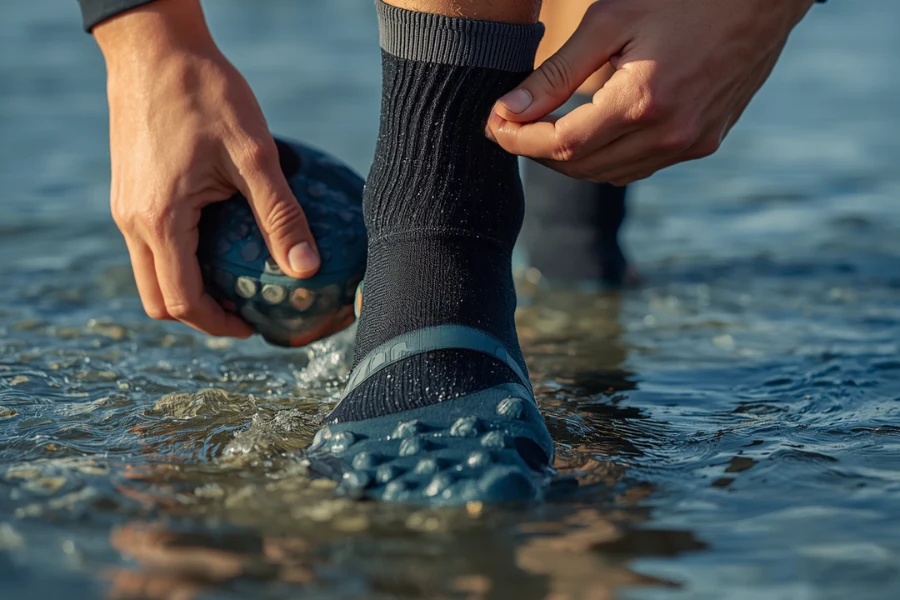
Start with your environment, because water temperature and terrain will determine most of your needs before anything else.
Choose thickness based on conditions, with thinner socks for active movement and thicker ones for colder or less active situations, and make sure the fit is snug so the sock stays in place without restricting circulation.
Select the sole based on where you will walk or stand, since rocky areas require more protection while smooth surfaces only need light grip, and pay attention to details like drainage, seam construction, and closure design for long-term comfort.
If you’re building socks for a brand, team, or specific use case, working with a manufacturer like SocksMaven allows you to adjust materials, thickness, grip patterns, and even design elements such as logos or colors without being locked into large minimum orders, which makes it easier to create socks that actually match real-world use instead of generic designs.
Water socks vs other options
Water socks are not always the only choice, and understanding the differences helps you avoid using the wrong gear for the wrong situation.
Compared to water shoes, socks are lighter and more flexible but offer less protection on rugged terrain, while dive booties provide more insulation and durability at the cost of reduced mobility. Waterproof socks serve a different role entirely, focusing on keeping water out rather than adapting to full immersion.
The right option depends on whether you need flexibility, protection, or insulation as your priority.
Care and maintenance
Rinse your socks with clean water after each use to remove salt, chlorine, and debris that can damage materials over time, then let them air dry in a shaded, ventilated area to prevent degradation.
Make sure they are completely dry before storing, and avoid folding them tightly for long periods, especially if they are made from neoprene, to maintain their shape and performance.
Simple takeaway
Choose based on conditions, not guesswork.
Use neoprene socks when water is cold, lightweight socks when flexibility matters, thicker soles when terrain is rough, and waterproof socks only when you need short-term protection from external moisture.
Matching the sock to the situation is what keeps your feet safe, comfortable, and ready for the next session.
FAQ
Q: When should I wear water sports socks
Wear water sports socks when water is cold, surfaces are slippery, or the area includes rocks, shells, or debris. They are especially useful for longer sessions, where protection, grip, and warmth help prevent discomfort and reduce the risk of injury.
Q: Can I wear water socks with fins
Yes, thin and well-fitted water socks are commonly worn with fins. They reduce friction, prevent blisters, and improve comfort without affecting kicking efficiency, as long as the socks are not too thick or loose inside the fins.
Q: What is the difference between waterproof socks and wetsuit socks
Waterproof socks block external water using a membrane, but they trap sweat inside. Wetsuit socks allow water in but retain heat through insulation, making them more suitable for full immersion and cold water activities.
Q: How do I prevent blisters when wearing water socks
Choose a snug fit that doesn’t bunch up, and look for smooth or flat seams to reduce friction. For longer sessions, wearing thin liner socks can help minimize rubbing and keep your feet more comfortable.
Q: Are water socks suitable for beach walking
They work well for short beach use, especially on hot sand or areas with small debris. Choose styles with sand-resistant cuffs and a protective sole, since they are less breathable than regular shoes for extended walking.
Q: Do kids need water socks
Yes, water socks help protect children’s feet from sharp objects, hot surfaces, and slippery areas. A secure fit and good grip are important, as they reduce the chance of slipping and make water play safer.
Q: How long do water socks last
Lifespan depends on usage and care. Neoprene socks can last one to three seasons with proper rinsing and drying, while waterproof socks may wear out faster because the membrane is more sensitive to friction and improper cleaning.
Q: Do I still need sunscreen when wearing water socks
Water socks provide coverage for the areas they fully cover, but exposed skin such as ankles or toes still needs sunscreen. Applying protection to uncovered areas helps prevent sunburn during longer outdoor sessions.